Board approves year‑one support‑staff pay plan after custodial staff urge clearer placement and communication
Loading...
Summary
After public comment from custodial staff about placement and communication, the Merrill Area School District board approved year 1 of a phased support‑staff compensation plan that administrators said will raise every support employee and invests about $156,000 in the first phase.
Carla Hackman, head custodian at Prairie River Middle School, told the Merrill Area School District board that custodial staff feel undervalued and urged the board to pause the district's proposed pay changes until placements and job descriptions are reviewed. "Our custodial team of 19 manages a massive footprint of 695,000 square feet across nearly 88 acres," Hackman said, calling daytime custodians the district's "operational first responders." She asked the board to revisit a 2024 plan and to recognize the technical and safety responsibilities custodians perform.
Board members and administrators acknowledged the concerns and described a multi‑step process led by CESA 6 to benchmark support positions against local market data. Superintendent Shannon Murray said the third‑party review produced a new 12‑grade structure intended to address gaps; he said the plan is phased and "every single employee will get a raise next year." Administration told the board that fully closing all gaps would cost roughly "about half a million dollars," and that the district is budgeting about $156,000 for phase 1 of implementation.
Several staff speakers said the timing and method of communication—an email announcing reclassification and apparent grade changes—left employees feeling "blindsided." Mary Ball, who said she has worked in the district for many years, told the board she had sent a letter and received no reply, and urged greater transparency and direct consultation with affected employees rather than relying solely on outside review.
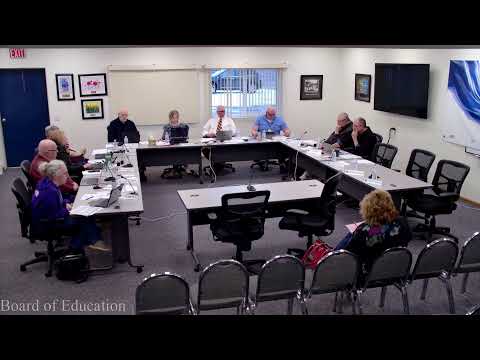
Board members discussed phasing, transparency measures and the process for reclassification appeals. Administrators described steps to attach written rationales when an employee is placed above a grade, and said supervisors will review job descriptions and placement decisions. The board approved a motion to implement year 1 of the support‑staff compensation plan; the motion was seconded and carried by voice vote. The board directed that any future reclassification adjustments be handled per the outlined process and subject to budgetary limits.
The vote came amid broader budget work: administration noted the district is planning approximately $2.5 million in budget reductions for 2026–27, prompting discussion about sustainability and timing for subsequent compensation phases. The board did not finalize later phases; it approved phase 1 funding and the procedural framework administrators presented.
Next steps: administrators will finalize placements and documentation as described, return with any title/grade tweaks that do not increase the approved phase 1 dollar amount, and bring future budgetary requests for later phases to the board for separate review and approval.