Get Full Government Meeting Transcripts, Videos, & Alerts Forever!
Get email alerts on the Dc Governance topic
No spam. Unsubscribe anytime.
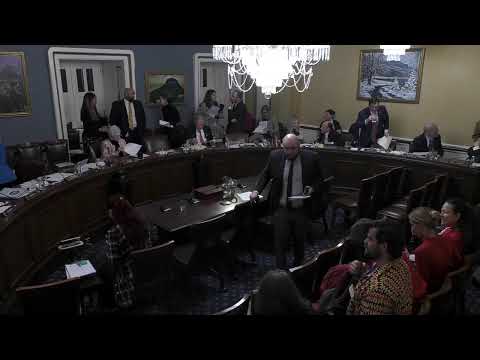
Republicans push D.C. 'Safe and Beautiful' bill; Democrats warn of federal overreach
Summary
H.R.51‑03, the Make the District of Columbia Safe and Beautiful Act, drew sharp debate in the Rules Committee: sponsor Rep. Maguire said the bill would address alleged manipulation of D.C. crime data and restore public safety; opponents argued crime trends were improving and said local investments, not federal micromanagement, should be the priority.
Representative Maguire, sponsor of H.R.51‑03, told the Rules Committee the bill would codify a federal response to public‑safety and public‑space problems in the District by creating a DC Safe And Beautiful Commission and directing federal agencies to coordinate restoration of monuments and enforcement where appropriate.
Maguire said an oversight investigation found pressure within the Metropolitan Police Department to suppress or reclassify crime reporting and that the bill would add federal transparency and resources. "This bill... directs the DC Safe And Beautiful Commission to collaborate with MPD leadership and union to assist... recruitment, retention and capabilities of its officers," Maguire said.
Witnesses opposing the bill said crime in D.C. had fallen in recent years as a result of local investments in community policing and public‑health approaches, and they cautioned that federal intervention could undermine local governance. Representative Subramaniam said the oversight interviews did not definitively show data manipulation and suggested the administration had mischaracterized crime to justify federalization.
Democrats argued that Congress has repeatedly used bills to micromanage D.C. and that many residents favor home rule and statehood; Republicans said the bill responds to genuine safety concerns and prepares the capital for upcoming national events. Committee debate included questions about prior D.C. oversight findings, the role of the National Guard and the scale of federal funding needed to carry out the bill's objectives.
The committee advanced the rule that included H.R.51‑03 under a closed rule; questions about the bill’s authority and likely effects on local governance remain to be settled on the floor.