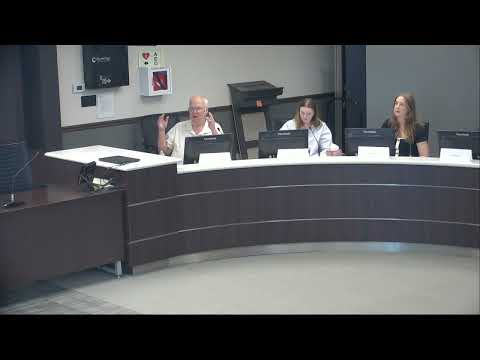
Homer Glen panel: Experts call loneliness a public‑health issue and outline age‑specific strategies
Loading...
Summary
Local clinicians and recovery specialists told a Homer Glen committee that loneliness is linked to serious health risks and shared practical, age‑tailored strategies — from school social‑emotional programs and music therapy for teens to small daily connections and community programs for older adults.
Alexandra, a therapy‑practice founder and member of the Village of Homer Glen Behavioral Health and Addiction Recovery Committee, opened the roundtable by calling loneliness “more than just a feeling,” noting the 2023 U.S. Surgeon General designation and saying "approximately 37 percent" of U.S. adults experience moderate to severe loneliness (23 percent moderate, 14 percent severe).
Panelists described how loneliness appears differently at each life stage and recommended targeted responses. "Frustration can build to withdrawal or defiance, then anxiety, then depression," said Dr. Tony Delich, a retired pediatrician, who urged earlier identification of problems in children and recommended counseling for parents undergoing divorce to reduce harm to kids. Melissa Howard, a licensed music therapist, said schools can reduce adolescent loneliness through social‑emotional learning and anti‑bullying policies and by offering group music‑therapy activities such as song sharing and improvisation to foster meaningful peer connection.
For adults, Emily, a licensed counselor and owner of Lotus Healing and Wellness Center, said loneliness often reflects early attachment wounds or major life transitions and suggested therapies including EMDR and gradual, intentional steps to rebuild social ties: short check‑in texts, low‑pressure public spaces and small, planned social contacts. "Start small," she said, describing concrete steps clients can take to reconnect.
Dr. Raquel Novak, a clinical psychologist, focused on older adults, pointing to shrinking social circles, mobility and retirement‑related losses and technology barriers. She urged community solutions — senior centers, intergenerational programs and regular small interactions such as weekly phone calls — and said even brief check‑ins can matter.
Across panels the speakers emphasized practical, community‑level action: visible inclusive cues and GSAs to help LGBTQ+ youth find belonging; social‑skills training and community groups for neurodivergent people; and peer and family support for those in recovery. Erin, a licensed counselor, said visibly accepting spaces — for example, pride symbols and explicit signage — help queer people feel safer and more likely to connect.
The meeting closed with a question‑and‑answer session and a reminder that the committee will post a recorded video and a curated list of local resources on the Village of Homer Glen Behavioral Committee web pages.
The panel emphasized that loneliness is common and remediable: small, consistent social acts and targeted services can reduce isolation across all ages.