Get Full Government Meeting Transcripts, Videos, & Alerts Forever!
Get email alerts on the Local Honors topic
No spam. Unsubscribe anytime.
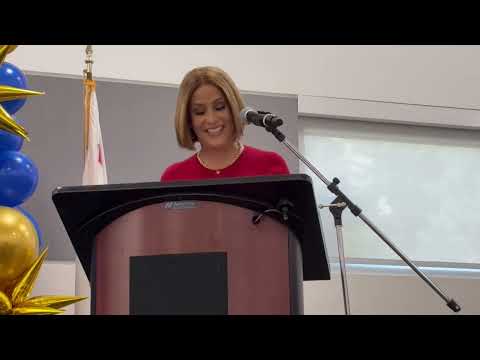
Resident accepts key to Compton, credits city for shaping career
Summary
A Compton resident accepted a ceremonial key to the city and credited local families, schools and mentors — including Mary Henry and the Armstrongs — for instilling discipline, service and opportunity that shaped their life and career.
The resident, speaking at a ceremony in Compton to accept a key to the city, said, "I feel at home in my own story," and credited the neighborhood where they were raised for the confidence that carried them into national stages.
They described growing up on streets such as Poinsettia Avenue and Tartar Lane, recalling childhood games, bake sales, drill-team shows and the freedom of outdoor play that shaped their imagination and work ethic. The speaker said the community "poured into us," naming neighbors who mentored and supported them from youth through career.
The resident singled out the Henry family, naming Craig and his mother Mary Henry as local pillars. According to the speech, Mary Henry is "known nationally for her leadership in education and civil rights" and for work on President Lyndon B. Johnson's anti-poverty task force connected to Head Start; the speaker said that in their neighborhood Mary Henry was "simply the mother next door." The speaker also credited Mona and Henry Jones (Mona as a basketball coach) and the Armstrong family for teaching discipline, cooking, calligraphy and other skills.
Recalling early jobs and local businesses, the speaker said their first job was at the original McDonald's on Long Beach Boulevard, owned by the Heard family, and described the company culture there as one that taught service and compassion. The resident also described recreation programs at Compton College run by Olympic track-and-field gold medalist Euless Williams as formative for building endurance and discipline.
The speech tied these personal stories to a broader point about community influence: the resident noted family connections to cultural and civic figures and said more than 30 cousins had graduated from Spelman College after a relative was encouraged to apply. The speaker framed the honor as belonging to the many neighbors, educators and mentors who supported them, and accepted the city's key "humbly" on their behalf.
"This honor belongs to all of you," the resident said in closing, thanking the community for its role in their life.