Lifetime Citizen Portal Access — AI Briefings, Alerts & Unlimited Follows
Beverly leaders outline FY27 "stretch" budget as state aid remains uncertain
Loading...
Summary
Superintendent Peter Cushing and finance director Emma Pugliese told a joint City Council–School Committee meeting the district faces rising special-education and benefits costs and requested roughly $1.29 million in additional "stretch" funding to restore classroom and support positions while urging continued state advocacy.
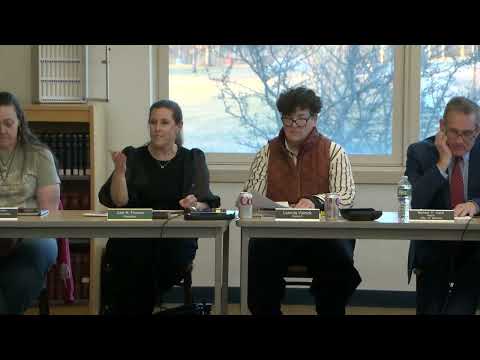
Superintendent Peter Cushing and Director of Finance Emma Pugliese presented the Beverly Public Schools' FY27 budget overview to a joint meeting of the Beverly City Council and School Committee on March 18, stressing rising special-education costs, wages and benefits as the primary budget drivers.
Cushing said district leaders are seeking long-term fixes at the state level but must plan locally. "The child that is in front of us today is different than it was 15 or 20 years ago," he told elected officials, urging investment in more student supports and staffing.
Pugliese framed the budget numbers: wages, compensation and benefits account for roughly 80% of school spending; out-of-district tuition is a growing line item; and current program fees (transportation, preschool, athletics) cover only a fraction of actual costs. The district presented a level-services base of about $5.8 million and an initial list of critical additional requests totaling approximately $1.29 million to restore positions including two special-education teachers, paraprofessionals, preschool paraprofessionals, and an assistant principal position at a large elementary/middle school.
The presentation highlighted that Beverly's total instructional staffing is sizeable (378 teacher FTEs with additional related-service providers) while its population of students classified as "high-need" (English learners, students with disabilities and low-income students) has increased materially over recent yearsfrom roughly the high 30s percent toward the mid-40s percent of enrollment. Pugliese warned that one-time offsets such as ESSER funding have phased down and that recurring costs remain.
On special education, Cushing and Pugliese described steep tuition increases set by the state Operational Services Division that compound year to year and said district leaders are advocating for stronger circuit-breaker reimbursement from the Commonwealth. "We're advocating as superintendentsfor 90% reimbursement," Cushing said, noting recent years have provided lower percentages.
Officials questioned whether newly requested paraprofessionals would be deployed for their intended roles rather than being used as substitutes; Pugliese said a new absence-management tool (Red Rover) will help quantify improvements in substitute coverage moving forward. Transportation procurement and regional contracting were also discussed as possible efficiency levers; district leaders said a first-year regional procurement is still early and has not yet produced the modeled savings.
Cushing closed by detailing capital priorities that will pursue MSBA or other grant cycles (Centerville roof and boiler, playground replacement, cafeteria equipment, security cameras) and reminded the public the superintendent would publish a fuller entry report in April. The school committee will continue reviewing requested positions and offsets during upcoming budget hearings.
Next steps: the school committee will vet proposed cuts and priorities in public sessions and incorporate state-aid outcomes as the House and Senate budget processes proceed this spring.