Lifetime Citizen Portal Access — AI Briefings, Alerts & Unlimited Follows
Ventura Water general manager outlines proposed rate increases, infrastructure needs and affordability programs
Loading...
Summary
Ventura Water General Manager Gina Dorrington told the city podcast that rate revenue pays for day-to-day operations and major capital projects, including a wastewater-to-drinking-water purification project expected to supply about 20% of future needs; she estimated a typical household may see under $20/month in year one and described assistance programs to reduce burden.
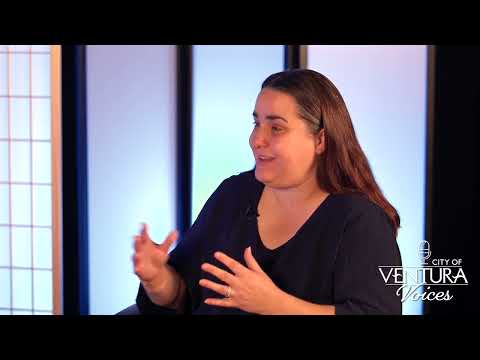
Gina Dorrington, Ventura Water general manager, told the City of San Buenaventura’s Ventura Voices podcast that proposed rate increases are designed to pay operating costs, meet regulatory requirements and fund major capital projects to replace aging water and wastewater infrastructure.
Dorrington said Ventura Water is a nonprofit utility, so ‘‘every dollar that is paid through rates goes back into the water and wastewater infrastructure’’ rather than the city’s general fund. She described the legal framework for rate-setting, citing Proposition 218 and the utility’s cost-of-service study that included a public engagement process and protest provisions.
The general manager outlined what rate revenue covers: day-to-day energy and chemical costs, water delivery and pumping, and projects listed in the utility’s capital improvement plan. She warned that many parts of Ventura’s wastewater system are 50 to 70 years old and require full replacement rather than repair, creating large upfront costs.
Dorrington said the city is under a consent decree and must stop discharging treated wastewater into the Santa Clara River Estuary — which she described as federally designated endangered-species habitat — and that the city is working with environmental groups Wishtoyo, Ventura Coastkeeper and Heal the Bay to meet compliance obligations. She referenced regulatory drivers including the State Water Resources Control Board, the National Pollutant Discharge Elimination System and the Porter-Cologne Act.
To secure supplies that are less climate-dependent, Dorrington described a planned wastewater purification effort that would treat wastewater to drinking-water standards and recharge groundwater basins; in the podcast she said that project would provide roughly 20% of Ventura’s future water needs. She also highlighted recently completed interconnection projects and a State Water interconnect that can supplement local supplies when the Ventura River or other local sources are constrained.
On customer impacts, Dorrington gave a typical-household example: ‘‘probably using 800 cubic feet of water… they’re gonna see an increase, you know, a little bit under $20 a month in that first year.’’ She directed listeners to an online bill calculator for personalized estimates and emphasized that individual impacts vary by usage.
Affordability measures described include a 50% reduction of fixed charges for qualifying customers, automatic enrollment for Ventura Water customers who qualify for Southern California Edison or SoCalGas assistance, flexible payment options, occasional payment forgiveness funded through late-payment collections, and a medical-protection list to prevent shutoffs for customers with qualifying medically driven needs.
Dorrington said the water commission and city council adjusted rate design to lower the fixed-charge portion of the bill from about 30% to about 25% so conservation can have a greater effect on customers’ bills. She also described changes to wastewater charge caps that, as stated in the episode, lower thresholds for single-family and multifamily homes; the podcast language on the numeric caps was unclear and is reported verbatim in the clarifying details below.
Dorrington urged residents to use conservation programs and cited Ventura Water’s conservation inspections and customer-care resources, directing listeners to cityofventura.ca.gov/rates for the bill calculator and program information. She closed by thanking residents for past conservation efforts and encouraging continued community engagement at meetings and plant tours.
The episode did not record any formal motions or votes; next procedural steps mentioned were continued public engagement and the city’s capital project planning.