Get Full Government Meeting Transcripts, Videos, & Alerts Forever!
Get email alerts on the Public Safety Surveillance topic
No spam. Unsubscribe anytime.
Brisbane staff, vendor demo ‘community awareness’ camera; residents press privacy and enforcement questions
Summary
City staff and a Verkada representative demonstrated a proposed 90‑day pilot of a single camera at Community Park to gather usage analytics and inform maintenance and safety decisions. Residents sought clarity on privacy, police access and whether the camera will be actively monitored; staff said footage would be retained 30 days and police requests must include a case number.
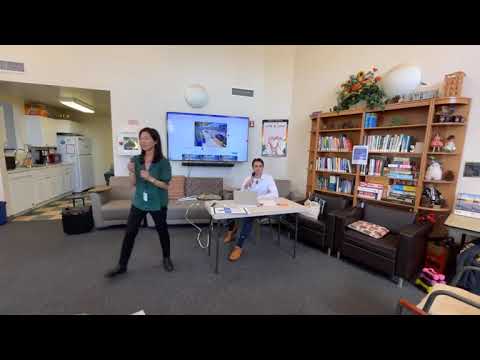
Caroline, who works in the city manager’s office, opened a public demonstration of a single ‘community awareness’ camera for Community Park and said staff intends to present the pilot for council consideration in early March. “We just really wanted to take this opportunity to have a demonstration of what could potentially be a single camera at the community park,” she said.
Micah, a presenter from Verkada, showed the camera interface and analytics the city would see if it proceeds with a 90‑day pilot on loan from the company. “We are the fastest growing physical security company in the world,” Micah told attendees while describing cloud‑backed storage, a live blur feature intended to mask non‑subjects, and archive tools that can selectively de‑blur a person of interest in saved footage.
Why it matters: Staff said the pilot could help the city move beyond rough attendance estimates for events, better target maintenance (trash and bathroom cleanups) and detect trends tied to graffiti or other recurring problems. Several residents said they love Brisbane’s parks but wanted clearer limits on how footage would be used.
During a 45‑minute question period, residents raised three recurring concerns: whether the camera would lead to active surveillance of park users, how police would obtain footage, and how long recordings would be retained. A staff member said the city is developing a storage and access policy that limits retrieval to the city manager’s office and that police would receive footage only when a case number had been issued. “So when we request data, it will come with a case number,” said the police commander (Mario Garcia).
Staff and the vendor also described operational limits. The pilot is not intended for continuous live monitoring; staff said footage would be used after a resident complaint or incident to check timestamps and trends. Retention during the pilot was described as 30 days for this community‑awareness configuration (staff contrasted that with longer retention used for public‑safety cameras). Micah demonstrated reports that count people entering and exiting a framed boundary and said the CR‑63 unit on the table matched the device the city would deploy.
Residents pushed back on deterrence and enforcement. Several argued that temporarily stationing a code enforcement officer or police during problem periods could be more effective than cameras alone for off‑leash dog issues. One resident who described a prior dog attack thanked staff and urged others to report incidents so footage could be used as evidence.
Questions about durability and public access surfaced as well: the vendor said the unit is outdoor‑rated for local weather, staff confirmed the pilot footage would not be streamed live to the public, and a resident asked whether footage of children on sidewalks raised privacy issues. The city attorney asked about expectations of privacy on public sidewalks and whether vendor deployments had raised state‑law concerns; staff said policy language will be finalized before any broader deployment.
Costs and timeline: attendees were told the camera hardware is on loan for the pilot; one attendee recollected a retail price of about $1,500 for the camera. Staff said the project would be brought to the council in early March (Caroline mentioned March 5) and that, if the council approves the pilot, staff would report back at the end of the 90‑day trial with findings and a recommendation.
What’s next: The council will consider whether to authorize the 90‑day pilot at a March meeting. Staff said the pilot is intended to test analytics, the effectiveness of signage and deterrence, and policy controls on data access and retention.