Get Full Government Meeting Transcripts, Videos, & Alerts Forever!
Get email alerts on the Community Impact topic
No spam. Unsubscribe anytime.
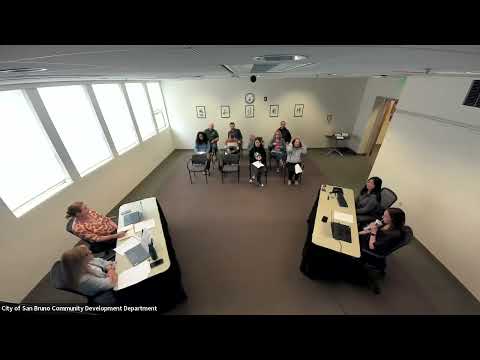
Residents press San Bruno on compensation, air pollution and noise at Tanforan EIR review meeting
Summary
Residents voiced concerns at the July 29 meeting about potential toxic‑air exposure, nighttime noise, building heights and parking; one commenter requested $25,000 per affected home and a $4 million community fund donation from the developer.
Several residents used the July 29 draft‑EIR meeting to raise neighborhood impacts and demand further protections.
Eisen, who identified themself as a longtime San Bruno resident, told the presenters they had seen lingering particulates near affected neighborhoods and said they were taking part in local air‑monitoring efforts. Eisen urged the developer to consider compensation for homes most affected on El Camino and Huntington Avenue, suggesting “$25,000 for each house” and proposing a developer donation of $4,000,000 to reopen a San Bruno community fund to support local grants.
Other public commenters raised a range of technical and planning questions. An attendee asked how many housing units and parking spaces the project would include; Sanders said the base project includes about 1,014 housing units, with flex zones that could raise the total to roughly 1,514 units, and that the proposal anticipates about one parking space per unit plus additional retail/guest parking.
Matt, a former city employee and District 3 resident, summarized concerns heard during neighborhood outreach: nesting birds and the need for biological monitoring, the way trip generation modeling treats retail (for example, whether Target generates more driving), water‑supply sufficiency for the campus and surrounding neighborhood, a wind and debris concern based on prior projects, and a request that cultural monitoring engage the local Japanese American community. He also urged the city and developer to consider an alternative that avoids operational toxic air contaminants associated with life‑science uses.
George, who lives across from BART, recounted disruptive overnight transit construction noise and expressed skepticism that temporary sound barriers would sufficiently protect nearby homes.
Meeting organizers encouraged those who did not speak to submit written comments by the Aug. 11 deadline; presenters said all comments will be included and responded to in the final EIR.