Get Full Government Meeting Transcripts, Videos, & Alerts Forever!
Get email alerts on the Environmental Review topic
No spam. Unsubscribe anytime.
San Bruno draft EIR finds significant health‑risk and nighttime‑noise impacts, offers mitigation but not full avoidance
Summary
The draft environmental impact report for the Tanforan redevelopment identifies two significant and unavoidable impacts — long‑term toxic air exposure for nearby residents and noise from nighttime concrete pours — while listing mitigation measures; the public review period runs through Aug. 11.
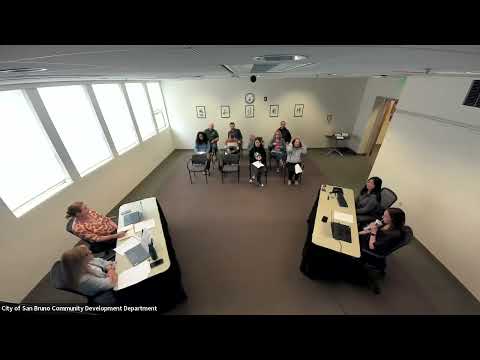
San Bruno City consultants told residents at a July 29 public review meeting that the draft environmental impact report (EIR) for the proposed Tanforan mall redevelopment identified two impacts the report judged to be significant and unavoidable: long‑term toxic air contaminant exposure to sensitive receptors and repeated nighttime construction noise.
Heidi Macassan, an ICF consultant who presented the EIR analysis, said the draft EIR’s air‑quality finding (labeled impact 8q3 in the report) was driven by the combined effects of construction and long‑term operation. She described diesel particulate matter from off‑road equipment and PM2.5 from earthmoving during construction, plus operational sources such as diesel‑emitting truck traffic, generator testing and on‑site research‑laboratory toxic emissions, and said these combined over a 30‑year horizon “could expose adjacent receptors to significant health risks.”
The draft EIR lists prescriptive mitigation measures intended to reduce exposure — for example, use of clean diesel or electric construction equipment, Bay Area Air Quality Management District best practices for dust control, low‑VOC coatings for operations, zero‑emission landscape equipment, and high‑efficiency filtration systems for future residences — but the analysis conservatively concludes the air‑quality impact could remain significant under some scenarios.
The report’s second unavoidable impact concerns nighttime concrete pours. Heidi said the EIR conservatively assumed up to about 100 nighttime concrete pours could be required over the construction program, and that the resulting truck and equipment noise could exceed the city’s lower nighttime noise thresholds. The draft EIR requires a detailed, city‑approved construction noise control plan and temporary perimeter noise barriers where nighttime work would occur within 500 feet of sensitive receptors; the plan must specify timing, equipment and best‑management practices.
Lisa Costa Sanders, the city’s retained planning‑review consultant, reminded attendees that the meeting was for receiving comments and not for answering or resolving them on the spot. The draft EIR was released June 27 for public review, the public comment period closes Aug. 11, and the final EIR and related hearings are expected later in the year (staff referenced a planning‑commission date of Oct. 29 and tentative city‑council hearings in November).
How to comment: presenters asked members of the public to submit verbal comments at the meeting or written comments via the project contact information shown at the meeting; the project team said all comments will be responded to in writing in the final EIR.