Get Full Government Meeting Transcripts, Videos, & Alerts Forever!
Get email alerts on the Open Government topic
No spam. Unsubscribe anytime.
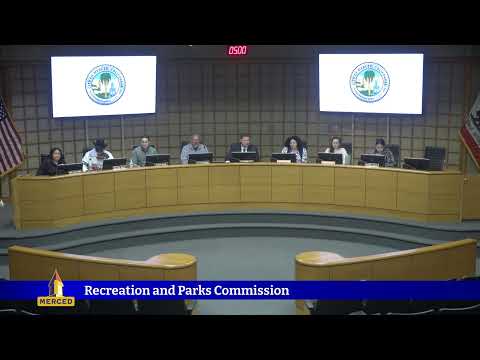
City attorney reviews Brown Act rules and upcoming changes, warns against off‑record coordination
Summary
City Attorney Craig Cornwell told the Recreation and Parks Commission that the Brown Act bars serial off‑line decision‑making, warned against substantive 'reply all' email threads, and said amendments effective July 1 will expand virtual public comment and require certain agenda translations.
The city attorney delivered an overview of the Brown Act and emphasized that commissioners must avoid off‑meeting coordination that can amount to an illegal 'serial meeting.'
"The local agency has to do business in the open," Craig Cornwell, city attorney, told the Recreation and Parks Commission, tracing the law’s origin to 1950s reporting on behind‑closed‑doors decision making and describing the Brown Act as a set of 'sunshine' requirements that protect the public's right to observe deliberations.
Cornwell explained that a 'meeting' occurs when a majority of a governing body convenes to discuss matters within its jurisdiction and illustrated common violation risks: sequential phone calls or a chain of 'reply all' emails that result in an off‑record concurrence. "It can be a hub‑and‑spoke situation," he said, and cautioned that technology—including emails, texts and group chats—can create the same legal risk as an in‑person chain of conversations.
Using a recent request for information about Stephen Leonard Youth Center as an example, Cornwell advised commissioners not to coordinate informally about which providers should receive facility use; he said substantive proposals and recommendations are safest when introduced and debated at a publicly noticed meeting.
On enforcement, Cornwell said alleged Brown Act violations typically begin with notice from a member of the public or staff; many issues are cured administratively by re‑taking votes to allow public comment, while serious matters can be referred to the district attorney. He also briefed commissioners on major changes coming July 1: expanded procedures to allow virtual public comment and remote attendance and new translation requirements tied to local language‑population thresholds.
Commissioners asked several follow‑up questions about individual contacts versus group discussion and whether commissioners may discuss agenda items informally. Cornwell and staff reiterated that individual, non‑concurrent contacts are permitted but that substantive coordination about items likely to appear on the agenda should be conducted in a public meeting. He said he will provide commissioners a copy of the updated Brown Act guidance for their review.
The presentation was informational; no action was taken. Staff and the city attorney advised commissioners to err on the side of putting substantive proposals on a public agenda to avoid potential procedural defects.