Get Full Government Meeting Transcripts, Videos, & Alerts Forever!
Get email alerts on the Outreach Mental Health topic
No spam. Unsubscribe anytime.
Alameda outreach supervisor urges more staff mental‑health supports as homelessness work intensifies
Summary
At the Feb. 26 Social Service & Human Relations Board meeting, outreach supervisor Raul Sagenio described intake challenges, staff trauma exposure and the need for better supports for outreach workers who repeatedly engage people experiencing homelessness.
Raul Sagenio, the engagement specialist supervisor in Alameda’s Housing & Human Services division, told the Social Service & Human Relations Board on Feb. 26 that outreach work often requires multiple contacts and places heavy emotional demands on staff.
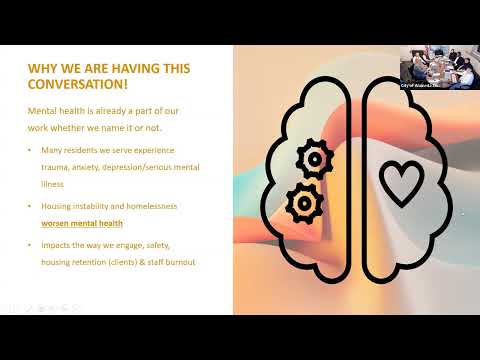
"One in five most adults experience a mental illness each year," Sagenio said during his presentation, using that statistic to underscore the prevalence of mental‑health needs among people his team serves. He described intake as variable — "some people take one touch, some people take three or four" — and said outreach staff frequently absorb traumatic stories and crises as they try to connect residents to services.
The presentation outlined how the recently in‑house engagement specialist team conducts outreach, logs encounters in the county HMIS system, and provides light case management to help people access shelter, benefits and landlords who may waive fees. In response to board questions, Sagenio said the team focuses on relationship building and negotiating with landlords when appropriate, while recognizing that funding limits and case‑by‑case details can constrain options.
Board members pressed for clarity about what prevention funds cover and whether homeowners (mortgage assistance) are eligible; staff said the prevention program historically serves renters and that referrals to county programs exist for homeowners. The board and staff agreed to follow up offline on individual, sensitive cases.
The discussion highlighted operational strains on a small outreach team and the tension between limited flexible funding and the intensive, long‑term work needed to keep people housed. Sagenio urged attention to staff supports and coordination with partner agencies to improve outcomes.
The board did not take formal action on the presentation. The meeting moved on to the Road Home report and other agenda items.