South Lake Tahoe council approves consent items but registers split on short‑term rental changes
Loading...
Summary
Council approved the consent agenda but recorded a split over item 11: public hearing produced sharp divisions over removing a 150‑foot VHR buffer and increasing the cap to 900, with residents raising neighborhood, bear and school enrollment concerns while operators argued economic benefits and fairness for prior applicants.
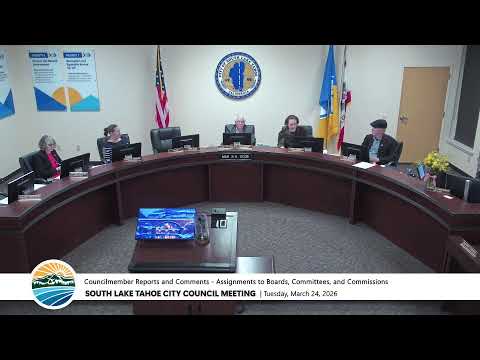
The South Lake Tahoe City Council approved its consent agenda on March 24 but saw heated public debate and a recorded split over a change to the city’s short‑term rental rules.
During public communications and the consent portion of the meeting, dozens of residents, property owners and rental managers weighed in on item 11, a proposed ordinance change to remove a 150‑foot buffer and increase the cap on permitted vacation home rentals (VHRs) to 900. Speakers who opposed the change warned the measure would cluster VHRs in neighborhoods, worsen trash and bear conflicts and contribute to falling school enrollment. Councilmembers were careful to note those concerns and requested additional fairness and enforcement follow‑ups, including staff reports on impacts and the possibility of giving priority to previously buffered applicants.
Supporters — including local rental managers and second‑home owners — told the council that removing the buffer would not open the floodgates if the city preserves a firm cap and keeps strong enforcement. They said that legally operated VHRs generate lodging tax revenue that supports local services and jobs and that the buffer produced unfair, lottery‑like outcomes for applicants who followed the rules.
At the vote on the consent schedule, the council approved items 1–11 as a package with recorded motions to return specific items for further review. One councilmember signaled a no vote specifically on item 11 even as the overall consent action carried. The council also directed staff to provide a fuller report on the housing element progress and on how domestic‑violence grant funds are being used.
What happens next: The council left the ordinance mechanics and some fairness questions unresolved and asked staff to return with additional information and possible resolution language to address applicants who were previously excluded by the buffer.