Get Full Government Meeting Transcripts, Videos, & Alerts Forever!
Get email alerts on the Public Safety Cameras topic
No spam. Unsubscribe anytime.
West Hollywood keeps Flock Safety cameras but orders stricter safeguards after privacy debate
Summary
The City Council voted 3–2 to continue its contract with Flock Safety while directing staff to negotiate contract amendments that tighten data-sharing limits, add penalties for inappropriate disclosures, and require transparency and audit reporting. The council gave staff 90 days to return with draft policy and contract language.
The West Hollywood City Council voted to continue its agreement with Flock Safety on automated license-plate readers and related cameras but instructed staff to secure stronger legal safeguards and public reporting.
Council action followed a five-hour review that included a staff presentation, testimony from city public-safety partners and Flock Safety representatives, and wide-ranging public comment. Danny Rivas, the city’s director of community safety, told the council the review “found measurable public safety benefits” from the system, including roughly 175 stolen vehicles recovered over three years, while also identifying risks tied to interagency data sharing.
Multiple residents and advocates urged the council to terminate the contract, citing national reports of sharing practices they called inconsistent with West Hollywood’s sanctuary and pro‑privacy commitments. “I ask that the city either terminate its contract for services with Flock or shut down all cameras while it evaluates new options,” business-license commissioner and resident Joshua Christian said.
Trevor Chandler, Flock Safety’s director of public affairs, told the council that the company has not experienced a cyber breach and that it has updated platform settings to prevent out‑of‑state access by California agencies and to add audit logging. “There has been no data breach,” he said. Chandler also described technical changes, including mandated compliance defaults and search filters for sensitive categories.
Los Angeles County Sheriff’s captains and detectives explained the operational model in which West Hollywood station administrators control local access and can set one‑on‑one sharing arrangements with neighboring agencies. Captain Lapkin said the station had tightened sharing settings to limit access to West Hollywood station personnel and would conduct audits to enforce those standards.
After extended questioning about prior pilots involving federal agencies and the possibility of shared lookups, the council voted 3–2 to continue the contract while directing the city attorney to pursue a package of amendments. The direction included: explicit contract language prohibiting immigration‑enforcement use; requirements for immediate city notification if any federal agency requests data; limits or reconfiguration of interagency sharing settings; increased auditing and public reporting; and review of termination and liability language.
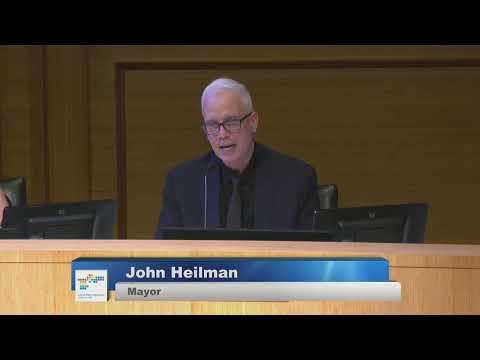
The council also asked staff to provide the council with a policy proposal and draft contract amendments within 90 days and to include contingency language related to termination if safeguards cannot be secured. Mayor (recorded in the roll call as Mayor Hellman) said she supported keeping the program while tightening safeguards to protect residents’ civil‑liberties concerns.
The motion carried 3–2. Councilmembers in favor cited the cameras’ investigative value and the need for continuity while negotiators secure enforceable protections; opponents said the vendor’s national record and earlier pilot projects that involved federal agencies had eroded trust and warranted termination or suspension.
The city attorney advised that contract indemnities and liability provisions exist in the current agreement but recommended targeted amendments and additional reporting protocols. Staff and sheriff’s representatives said technical options exist to “bifurcate” the system so West Hollywood data can be siloed and audited more quickly.
Next steps: staff will return in roughly 90 days with recommended contract edits, proposed public transparency reports, and operational policies for how and when West Hollywood data may be shared with other agencies.