Get Full Government Meeting Transcripts, Videos, & Alerts Forever!
Get email alerts on the Municipal Finance topic
No spam. Unsubscribe anytime.
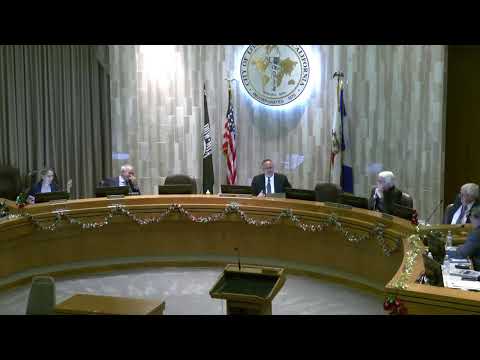
Loma Linda council deadlocks on placing 1¢ sales-tax measure on June ballot
Summary
Council discussion centered on whether to ask voters to approve a 1¢ transaction-and-use tax to shore up a midyear shortfall; staff estimated 1¢ would generate about $6.4 million annually, but the motion failed to reach the 4-of-5 vote threshold required to place the measure on the June 2026 ballot.
The Loma Linda City Council debated whether to place a 1¢ transaction-and-use tax on the June 2026 ballot but failed to secure the supermajority needed to do so.
City Manager Rhonda told the council the staff recommendation was to seek direction to put an additional 1¢ sales-tax measure before voters, saying the city is facing a midyear shortfall of about $1.2 million and that a 1¢ increase “would generate approximately $6,400,000 in additional revenue.” She added that, compared with neighboring cities, some jurisdictions have total sales-tax rates as high as 8.75–9 percent.
Why it matters: Officials said the additional revenue could be used to restore staffing and maintenance the city has deferred. Council members pressed staff for alternatives, fiscal projections and a breakdown of likely uses before asking voters to decide.
Council discussion focused on urgency, scale and equity. Mayor Duper emphasized the procedural point that “this is not the city council voting on a tax. It's a vote to put this on the ballot and let the residents decide.” Rhonda clarified the voting threshold for passage by the public would be simple majority—“50 plus 1”—but placing a measure on the June ballot raised a separate procedural bar: staff noted certain timing steps and the council discussed whether staff could meet those deadlines.
Public commenters generally urged letting voters decide. Amy, who identified herself during public comment, said she “would just like to encourage the council to consider…allowing the residents and the public to choose.” Other residents said they were willing to accept some tax increase to preserve parks, medians and public safety.
Several councilmembers said they supported asking voters but not necessarily at the 1¢ level. Staff cited consultant HDL estimates for alternative rates: 1% ≈ $6.4 million; 0.75% ≈ $4.8 million; 0.5% ≈ $3.2 million; 0.25% ≈ $1.6 million. Staff also emphasized certain categories that would not be subject to the tax, listing “grocery, prescription, medicine, rent, medical services, and utilities.”
After extended debate and a procedural clarification that ballot language and resolutions would return to council for formal action, the council voted on a motion to place a 1¢ transaction-and-use tax on the June ballot. The clerk announced the motion did not reach the 4-of-5 vote threshold required under the staff timeline and noted the recorded tally was 3–2, so the motion failed.
Next steps: Councilmembers asked staff to return with additional analysis, including smaller rate options, spending priorities and a community survey to gauge public preferences. Several members said they would consider revisiting the item at a future meeting if new information or timing permitted.
(Reporting note: quotes and vote tallies come from the council meeting transcript.)