Get Full Government Meeting Transcripts, Videos, & Alerts Forever!
Get email alerts on the Higher Education topic
No spam. Unsubscribe anytime.
UC Merced Chancellor touts 20th anniversary growth, $1B local economic impact
Summary
Chancellor Juan Muñoz told the Merced City Council that UC Merced has grown into a research and social‑mobility engine, now enrolling about 9,000 students and supporting roughly $1 billion in annual economic activity in Merced County, with major new campus projects under way.
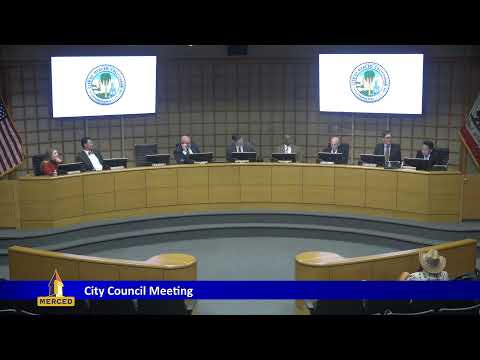
Chancellor Juan Muñoz told the Merced City Council on Dec. 15 that UC Merced has matured from a brand‑new campus into a nationally recognized research university and a major local economic engine.
Muñoz said the campus now enrolls roughly 9,000 students, more than 95% of whom are California residents, and highlighted rankings from U.S. News and The Wall Street Journal that place UC Merced among the top public universities nationally. "This is an extraordinary facility, extraordinary engine of social change, prosperity, and mobility right here in our community," Muñoz said.
The chancellor presented preliminary economic figures from a Beacon Economics study the university commissioned, saying UC Merced's annual economic impact in Merced County is "just now over $1,000,000,000 annually" and about $1.4 billion statewide. He added that the campus supports roughly 1 in 15 jobs in Merced County and more than 8,600 jobs across California.
Muñoz also outlined construction and program investments: a 488‑bed Promise Housing residence for transfer students, a $300 million Medical Education Building intended to anchor medical training in the region (expected to open as part of ongoing construction), a field education research center in the reserves, and a new classroom building. He said the Promise Housing project is under construction with an anticipated completion in 2027.
The chancellor emphasized UC Merced's mission of access, noting that about 62% of incoming students are first in their families to attend college and that more than 60% are Pell‑eligible. "We minimize cost to students through generous financial aid," he said, noting that a large share of students pay no fees or tuition after aid.
Muñoz invited the council and community to campus events including "Bobcat Day" and described MAP (Merced Automatic Admission Program) and the Merced Promise Partnership, programs designed to streamline transfer pathways and offer scholarships. He closed by thanking the city for its partnership and urging continued collaboration to expand local opportunities.
The council received the presentation with thanks and brief remarks acknowledging UC Merced's regional role; no council action was required.