Council weighs a proposed 1¢ sales‑tax for school construction and whether to delay budget adoption
Loading...
Summary
Councilors discussed a possible statewide 1¢ sales‑tax to fund school construction, how much debt that revenue could support, and the practical limits of changing the city's budget adoption or tax‑bill deadlines to wait on state action.
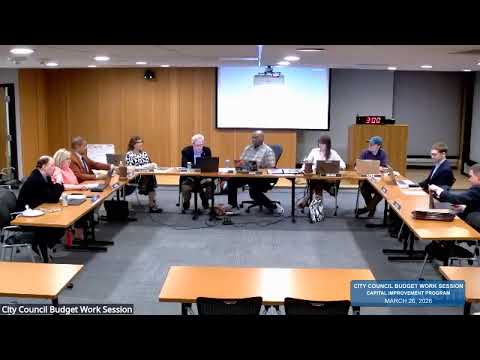
Charlottesville councilors spent part of the work session weighing a proposal to use a potential 1¢ statewide sales tax dedicated to school construction — and whether local budget timing should be adjusted to allow for any state action.
"The 1¢ sales tax has to be used only for school construction projects," Miss Hamill told the council, describing early estimates that the city's share could translate into meaningful debt capacity if the legislation permits using the revenue for debt service.
Staff said applying a full 1¢ to school construction revenue could equate to roughly $178 million of potential debt capacity if used entirely for debt service, but cautioned that the legislation's terms and restrictions are still being negotiated and that sales tax receipts are economy‑sensitive.
Council members raised procedural questions about the city's timeline for adopting its budget. One councilor noted a city code provision that says the council shall adopt the annual budget prior to April 15; other members asked whether the city could extend deadlines to wait for the General Assembly's decisions and thereby avoid locking in tax rate changes before state numbers firm up.
Staff described practical constraints. The treasurer's processing and tax‑bill timetable — including a 30‑day notice requirement and a 45‑day accrual practice for revenue recognition — mean that changing due dates would likely buy only about two extra weeks this year. Staff said changing the ordinance or code to move the budget deadline is possible but administratively complex and that next year the city could plan a longer shift if council wishes.
Councilors also discussed whether to include anticipated payments‑in‑lieu from affordable‑housing projects in the CIP now or reserve them as a separate policy decision; staff favored a conservative approach rather than programming uncertain receipts.
A resident who spoke during public comment urged the council to "fund the schools" and described the school board's submission as a "needs based" budget that requires full support.
Council asked staff to prepare scenario modeling for both the potential 1¢ option and different adoption‑deadline approaches so members can make an informed choice at the next work session.