Get Full Government Meeting Transcripts, Videos, & Alerts Forever!
Get email alerts on the Budget topic
No spam. Unsubscribe anytime.
Shenandoah finance staff urges keeping robust reserves after risk review
Summary
City finance staff presented a GFOA-based risk assessment and recommended the council retain a target reserve well above the GFOA minimum; the city reported about $10 million in fund balance as of Sept. 30, 2025 and discussed options if the council chose to lower the committed 180-day target.
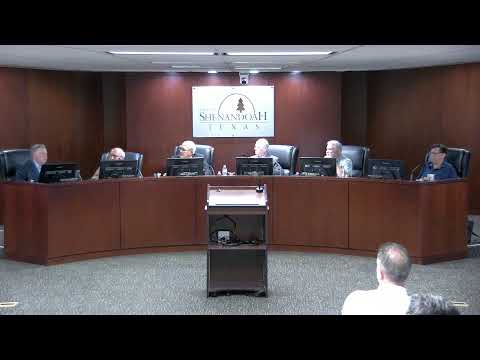
Shenandoah city finance staff presented a financial-reserve review to the City Council on March 25, 2026, recommending maintaining a higher-than-minimum reserve to cover local risks including hurricanes, sales-tax concentration and cyber threats.
The presentation by Lisa (identified at the meeting only by her first name) summarized a GFOA self-assessment and explained that the cityhas designated a 180-day committed reserve policy adopted in 2019. "As of 09/30/2025, we had a little over $10,000,000 in fund balance reserve," Lisa said, and she described the breakout between committed reserves (identified in the presentation as roughly $5.9 million), restricted funds and an unassigned balance described as just under $1 million.
Why it matters: Lisa said the cityrelies heavily on sales tax (she reported sales tax accounts for roughly 702% to 73% of operating revenue), which concentrates revenue in a small number of East‑side businesses and raises the risk that a localized disaster or long outage could sharply reduce receipts.
Council members asked practical questions about accessing committed funds. Lisa said council action is required to spend committed reserves and that the city has never drawn on the 180‑day designation. The presentation included historical data showing years when reserves dipped (for example, a park construction drawdown around 2015) and periods, such as COVID, when investment income and other revenues helped bridge shortfalls.
Lisa said the city's self-assessment score placed it in a category that would justify a target higher than the GFOA minimum of 60 days (she cited a suggested target range of 90to 120 days based on the city's risk profile and noted the current policy remains at 180 days). She recommended publishing the full study on the city's financial-transparency website and returning to council with options should members wish to adjust the committed target.
Next steps: Council members indicated the topic will be revisited during budget deliberations; Lisa said staff can provide options for reallocating any excess if the council votes to lower the committed target and suggested that any change would be a council decision about assignment or reallocation of funds.