Lifetime Citizen Portal Access — AI Briefings, Alerts & Unlimited Follows
Maine Senate clashes over Turnpike pilot to use speed cameras in work zones
Loading...
Summary
A contested bill to pilot automated speed enforcement on the Maine Turnpike’s active work zones drew hours of floor debate about safety benefits, due-process and technical limits of radar systems; senators disagreed sharply on constitutional and vendor‑control issues.
The Maine Senate debated a contentious pilot to test automated speed enforcement in active work zones on the Maine Turnpike, with sponsors describing the measure as a narrowly focused safety tool and opponents warning it would raise due‑process, privacy and vendor‑oversight problems.
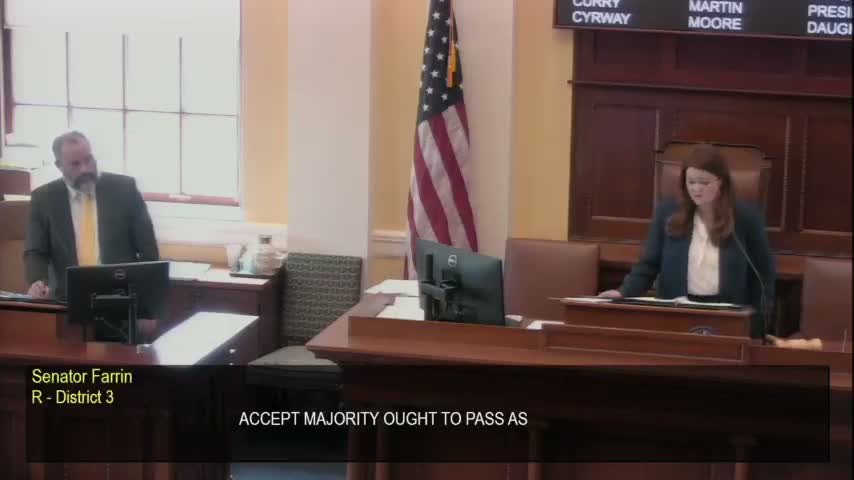
"This bill is designed to change driver behavior, not to trap drivers or raise revenue," sponsor Senator Farrin said, describing a pilot limited to active work zones, with signage before each zone, violations issued only for speeds 11 miles per hour or more over the posted limit, and a policy where the first violation would trigger a warning rather than a fine.
Opponents raised constitutional and practical concerns. "We don't have the right, regardless of the good intentions behind this bill, to violate the Constitution," Senator Libby argued, saying automated ticketing that presumes the registered owner was the driver can undermine due process and improperly shift burdens onto vehicle owners. Senators with law‑enforcement backgrounds and those who had examined the technical design flagged potential accuracy problems with radar systems in heavy traffic and weather, questioned vendor training requirements and asked who would ultimately issue and adjudicate violations.
Technical and cost questions surfaced repeatedly. One senator asked the Turnpike Authority's planned price tag — which was cited in committee as roughly $2,300,000 — and whether that figure was annual or a program total. Others asked why the authority would use contractors rather than state troopers or trained law-enforcement personnel, and whether contractors would be permitted to issue violation notices and manage appeals.
The Judiciary and Transportation committee reviews were referenced repeatedly; sponsors said privacy protections, data-deletion policies and a reporting requirement were included in the bill text. Supporters pointed to Turnpike camera systems and E‑ZPass imaging as precedent for photo‑based monitoring, while opponents argued the pilot’s appeal and adjudication process placed too much control with a private vendor, and that superior court appeals could be prohibitively costly for affected residents.
Floor activity included roll‑call requests, tabling motions and attempts to set the item aside for later consideration. The transcript excerpt captures the extended debate and multiple procedural motions but does not record a final enactment vote or the ultimate disposition of LD 1457 in the later calendar captured by this excerpt.
What happens next: Senators asked for additional technical details on calibration, training, vendor oversight and cost; sponsors said the committee report and amendments would inform any further floor action.