Get Full Government Meeting Transcripts, Videos, & Alerts Forever!
Get email alerts on the Human Resources topic
No spam. Unsubscribe anytime.
Gloucester schools highlight retention gains, HSA benefit and a quadrennial pay review
Summary
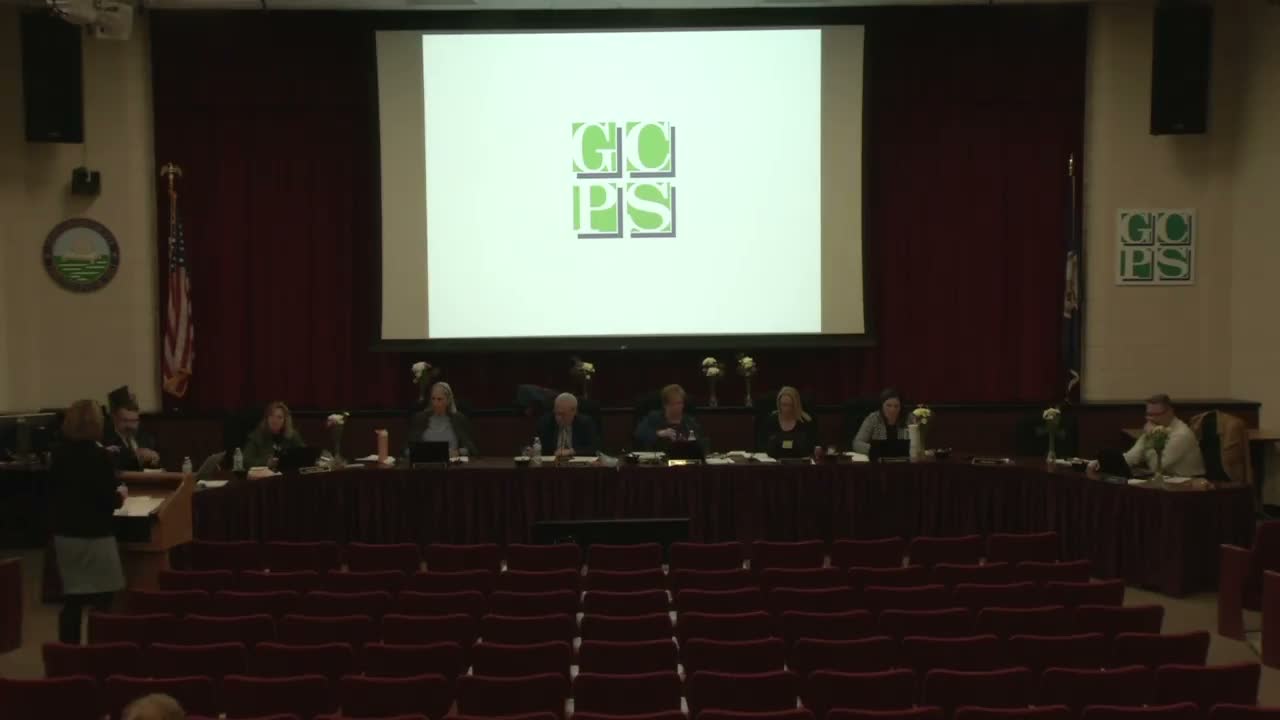
At the Jan. 13 meeting the district presented employee retention trends tied to the end of ESSER-funded positions, reported a 98.5% rate of licensed instructional personnel and a $1,200 HSA contribution for HDHP enrollees, and reviewed a quadrennial compensation study showing GCPS largely competitive with regional peers.
Gloucester County Public Schools told the school board on Jan. 13 that efforts to recruit and retain teachers and staff are showing positive signs while also flagging structural budget pressures created by temporary ESSER positions and declining enrollment.
In a strategic update staff described a multi-year retention review and exit-data analysis. Presenters said the system had higher resignations in 2024–25 tied in part to the ESSER “cliff” — positions added with federal pandemic-era funds that were not sustainable once those funds ended. Despite departures, staff reported vacancy rates that have declined and highlighted a high proportion of teachers with advanced degrees; in the 2025–26 year staff reported that 98.5% of classes were taught by licensed, endorsed instructional personnel per state-reported figures.
On benefits, staff reviewed two plan options (point-of-service and a high-deductible health plan administered by Anthem) and said the district contributes $1,200 annually to employees’ health savings accounts for those on the HDHP; plan comparisons with nearby divisions showed GCPS generally competitive on monthly employee costs and deductibles. Staff said they are working with benefits broker USI to monitor plan design, stop-loss arrangements and wellness programs to manage affordability.
The board also heard a quadrennial compensation review of classified and non‑classified positions (custodial, cafeteria, grounds, paraprofessionals, security and others). The analysis compared GCPS pay steps with 10 neighboring divisions and noted some peers outsource services, which can complicate direct comparisons. Presenters concluded that, on balance, GCPS remains competitive in the regional market but will continue to monitor labor conditions to balance competitiveness with fiscal responsibility.
Board questions focused on returning teachers who left and then came back, certification timelines for provisional and local licenses, workload and work‑life balance for educators, and whether grant or sponsorship funding might offset new program costs. Staff explained that provisional/local licenses sometimes expire before coursework is completed (local licenses can be one year for certain cases) and noted district supports including tuition reimbursement and mentoring.
What happens next: staff said they will continue recruitment, mentoring, and targeted professional development efforts, and will monitor health-plan design and competitive pay in the FY 2026–27 budget process.