Lifetime Citizen Portal Access — AI Briefings, Alerts & Unlimited Follows
Burke County buys Union Street building for 16‑bed facility-based crisis center; RFQs and partner funding planned
Loading...
Summary
County staff announced the purchase of the former NCWorks building on Union Street to convert into a 16‑bed facility-based crisis center for behavioral-health stabilization and detox; staff will release RFQs for architecture and a provider and expect initial support from opioid-settlement funds and grant matches.
Burke County announced it has purchased the former NCWorks building on Union Street (near Little Guatemala) with plans to renovate and expand it into a 16-bed facility-based crisis center that will offer behavioral-health crisis stabilization, detox services and a short-term inpatient option.
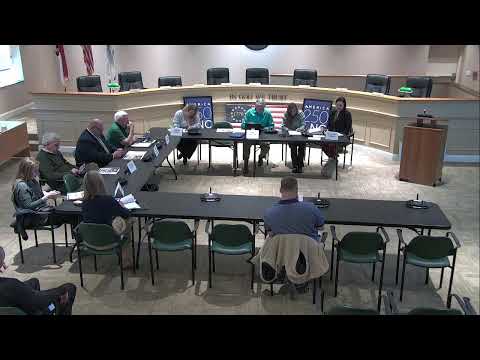
Katie (S3), who presented the plan to the advisory group, said the center will provide an enhanced intake similar to a behavioral-health urgent care, allow walk-in assessments and act as a first evaluation site for involuntary commitments to divert people from emergency departments. "The average length of stay here is 7 to 14 days and includes detox as well as other serious mental health issues," Katie said.
Katie described next steps: release an RFQ for architecture and engineering and a separate RFQ for the provider contract, recruit a provider early to inform facility design, and work with partners to structure start-up funding and early reimbursement models. She said the county would likely use opioid-settlement dollars or available grants for initial subsidies while the center builds billing capacity; she also cited a proposed $550,000 line to pay for repeating the RFP process and related start-up expenses.
Advisory members discussed models used in neighboring counties (Caldwell, Iredell, Gaston) and whether hospitals or nonprofits typically operate these centers; Katie said the county's mode is similar to nonprofit provider models used across the region and that partners will be part of provider selection and design.
The advisory group asked about staffing and inspection requirements; Katie said those details will be determined with the selected provider and that partners and the RFQ process will inform staffing formulas. The county will pursue reimbursement mechanisms to reduce long-term subsidy needs and plans to recruit providers who can begin engagement during design work.
Next steps: release RFQs for architecture and provider selection, form a planning and implementation team with county and partner members, and identify short-term funding sources to support the facility's first year or two until billing and reimbursement are established.