Get Full Government Meeting Transcripts, Videos, & Alerts Forever!
Get email alerts on the Ordinance 2607 topic
No spam. Unsubscribe anytime.
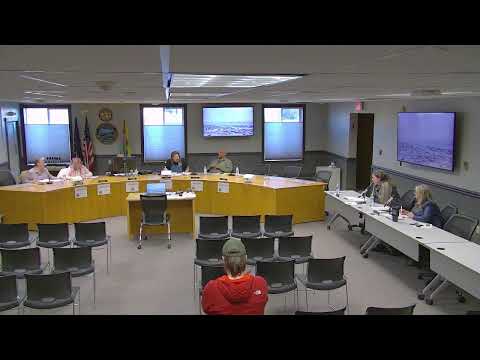
Wasilla Planning Commission unanimously directs staff to seek postponement of Ordinance 2607 until Title 16 Phase 2
Summary
The commission voted unanimously to direct the planner to draft a resolution asking city council to postpone Ordinance Serial No. 2607 — which would remove many residential uses from commercial zones — until Phase 2 of the Title 16 rewrite so impacts on housing, infrastructure and mixed use can be studied.
The Wasilla Planning Commission on March 24 voted unanimously to direct city staff to prepare a resolution recommending that City Council postpone Ordinance Serial No. 2607 until Phase 2 of the Title 16 rewrite, the commission said.
The ordinance, referred to the commission by City Council, would amend Wasilla Municipal Code Title 16 to prohibit small assisted-living facilities and several types of multifamily housing (including duplexes and some multifamily dwellings) within commercial zoning districts. After public comment and discussion, commissioners said they wanted the changes considered in the context of the planned Phase 2 zoning review tied to the comprehensive plan.
Why it matters: Commissioners and members of the public warned the ordinance could make many existing downtown and commercial-area housing arrangements nonconforming, complicate rebuilding after damage, and constrain places with existing utility capacity that can support denser or multifamily housing. The commission’s recommendation will go back to council in the form of a staff-prepared resolution.
During the public comment period, resident Brian Samigan urged caution, arguing the proposal would force projects into time-consuming rezones, increase cost and uncertainty for developers, and reduce affordable housing opportunities. "Maybe not recommend this going forward," Samigan told the commission, listing concerns about nonconforming status, utility capacity, and additional expense.
Staff outlined recent permitting examples the ordinance could affect, including an assisted-living conversion permitted through conditional use, a 34,000-square-foot mixed-use youth-services project, and retail expansions with housing above. Acting city planner staff warned that some permitted mixed-use developments could become nonconforming if residential uses are removed from commercial zones.
Commission discussion focused on options: recommend approval as drafted, propose amendments, outright rejection, or ask staff to prepare a resolution recommending postponement until Phase 2. Commissioner DeYoung moved to direct the planner to prepare a resolution rejecting the ordinance; commissioners amended that motion to instead direct staff to prepare a resolution recommending postponement pending Phase 2 of the Title 16 rewrite. The amendment passed on a unanimous roll call.
Planning clerk roll-call on the final motion recorded the vote in favor by Commissioners Brown, Stafford, DeYoung, Langill and Chair Seals. The motion’s formal outcome: the commission directed staff to draft a postponement resolution for Council consideration.
Next steps: The planner will draft a resolution for the commission’s review and the commission expects to revisit the matter before forwarding a formal recommendation to City Council. The resolution will notify council that the commission recommends postponement of Ordinance Serial No. 2607 pending the Phase 2 Title 16 work and further analysis of infrastructure and land-use impacts.