St. Joseph County commissioners veto proposed homestead property-tax deferral after staff and public warnings
Loading...
Summary
After extensive testimony from county assessors, treasurer and auditor staff about liens, implementation and costs, the St. Joseph County Board of Commissioners voted to veto Ordinance 16-26, a council-passed homestead property tax deferral program, citing concerns it would create secured debt and administrative risk.
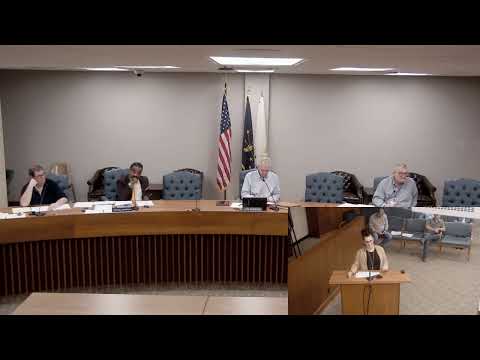
The St. Joseph County Board of Commissioners voted March 31 to veto Ordinance 16-26, a county homestead property-tax deferral program that county staff and several public commenters said would create recorded liens, impose administrative burdens and provide only temporary relief.
The ordinance before the board derived from County Council Bill 9-26. The measure would have allowed certain homeowners to defer portions of their property tax payments, creating a recorded loan tied to the property. After a public hearing that included testimony from the county assessor, treasurer, auditor staff and the county recorder, a motion to veto the ordinance passed.
Why it mattered: County officials and front-line staff raised repeated concerns that the program is not an immediate tax cut but a deferral that becomes a debt secured by a lien on the homeowner’s property. Marybeth Wisniewski, St. Joseph County treasurer, said the measure is “a deferral loan that must be repaid, not a credit or deduction” and warned that recording the agreements would create liens that can impede refinancing, HELOCs or reverse mortgages. Auditing and recording officers said the county’s current systems and vendors are not prepared to administer the program without custom software and additional staffing.
Key testimony: Michael Caslon, St. Joseph County assessor, said the proposal “pigeonholes only a specific group of individuals” and warned it could leave many vulnerable residents excluded or saddled with long-term debt. Kathy Grigorich, director of property tax in the auditor’s office, explained operational timing problems tied to statutory deadlines and tax calculations beginning March 1, and said vendors have declined to program the needed functionality in current tax-bill software. County recorder Candace Brown said the recorded lien and recording fees will be confusing to many homeowners and could limit heirs’ access to equity when property is inherited.
Officials also clarified a DLGF (Department of Local Government Finance) condition: deferred amounts must be repaid within 180 days of the triggering event, a detail commissioners said had not been broadly understood. Council president who addressed the board warned the plan would create secured debt and administrative risk; one presenter noted homeowners could accumulate several thousand dollars in deferred taxes under the proposal.
Outcome and next steps: A motion to veto Ordinance 16-26 passed at the meeting after the public hearing and staff briefings. Commissioners said the measure should be revisited only after staff complete implementation planning, vendor quotes and clearer safeguards. No alternative credit or assessment changes were adopted at the meeting; commissioners suggested pursuing broader state-level relief or county policy changes if the council chooses to reintroduce the concept.
The vote ended local consideration of the council-passed ordinance at this meeting; commissioners directed that outstanding implementation and cost questions be answered before any future reintroduction.