Get Full Government Meeting Transcripts, Videos, & Alerts Forever!
Get email alerts on the Toriana Road Appeal topic
No spam. Unsubscribe anytime.
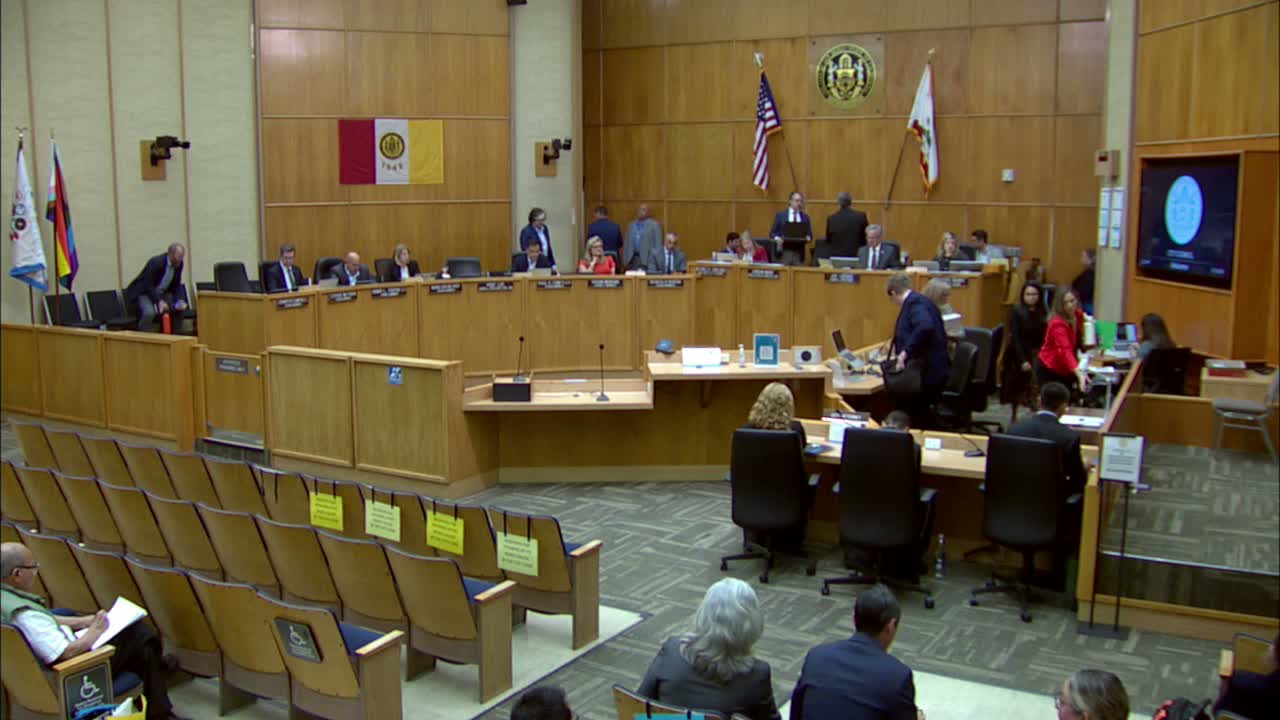
San Diego council denies appeal, upholds MND for 11011 Toriana Road research project
Summary
Council unanimously denied an appeal by Supporters Alliance for Environmental Responsibility (SAFER), finding the appellant's biologist surveyed a different property and upholding the project's subsequent mitigated negative declaration under CEQA; the project will proceed to the planning commission stage.
The San Diego City Council on July 21 denied an appeal and upheld the environmental determination (a subsequent mitigated negative declaration) for the 11011 Toriana Road research and development project.
Development Services staff described the proposal as demolition of an existing 76,694-square-foot research and development building and construction of a new 152,080-square-foot R&D building with four levels of subterranean parking on a 10.2-acre site. Staff said a site-specific biology report prepared in accordance with the city’s guidelines found no observed special-status species on the developed footprint, identified a high potential for some special-status species in adjacent undeveloped hillside, and concluded impacts would be less than significant or mitigated through conditions.
Haley Uno, counsel for the Supporters Alliance for Environmental Responsibility (SAFER), requested that the council grant the appeal and require an Environmental Impact Report (EIR). Uno said SAFER’s retained ecologists detected 37 species, including several special-status birds such as the California gnatcatcher and other species of conservation concern, and raised methodological concerns about the applicant’s biology report.
The applicant’s principal biologist, Carl Osmondson of Helix Environmental Planning, and city staff said the appellant’s survey data related to a property located roughly 825 feet east and downslope of the project site and therefore reflected different habitat conditions. Osmondson said the applicant retreated the project footprint to reduce impacts and that the Helix studies complied with city biology guidelines; staff recommended denying the appeal.
After deliberation, the council found no substantial evidence in the record to overturn the hearing officer’s adoption of the MND. Council moved and seconded a motion to deny the appeal and approve the environmental determination; the motion passed unanimously. Staff noted that if the council denied the appeal the project would proceed to the planning commission on project permits, and if the council had granted the appeal it would have retained jurisdiction over a revised environmental determination and project at a subsequent public hearing.
Next steps: with the appeal denied, project approvals and permit processing will continue; the project remains subject to the conditions of approval described in the environmental document and any planning-review actions that follow.