Get Full Government Meeting Transcripts, Videos, & Alerts Forever!
Get email alerts on the Contract Management topic
No spam. Unsubscribe anytime.
Auditors find millions in contract alterations not brought to San Diego City Council; staff outlines code fixes
Summary
A City Auditor review found $15 million in contract spending limits altered without required council approval and tens of millions more submitted retroactively; staff agreed to municipal code updates, quarterly memoranda and other steps to improve oversight.
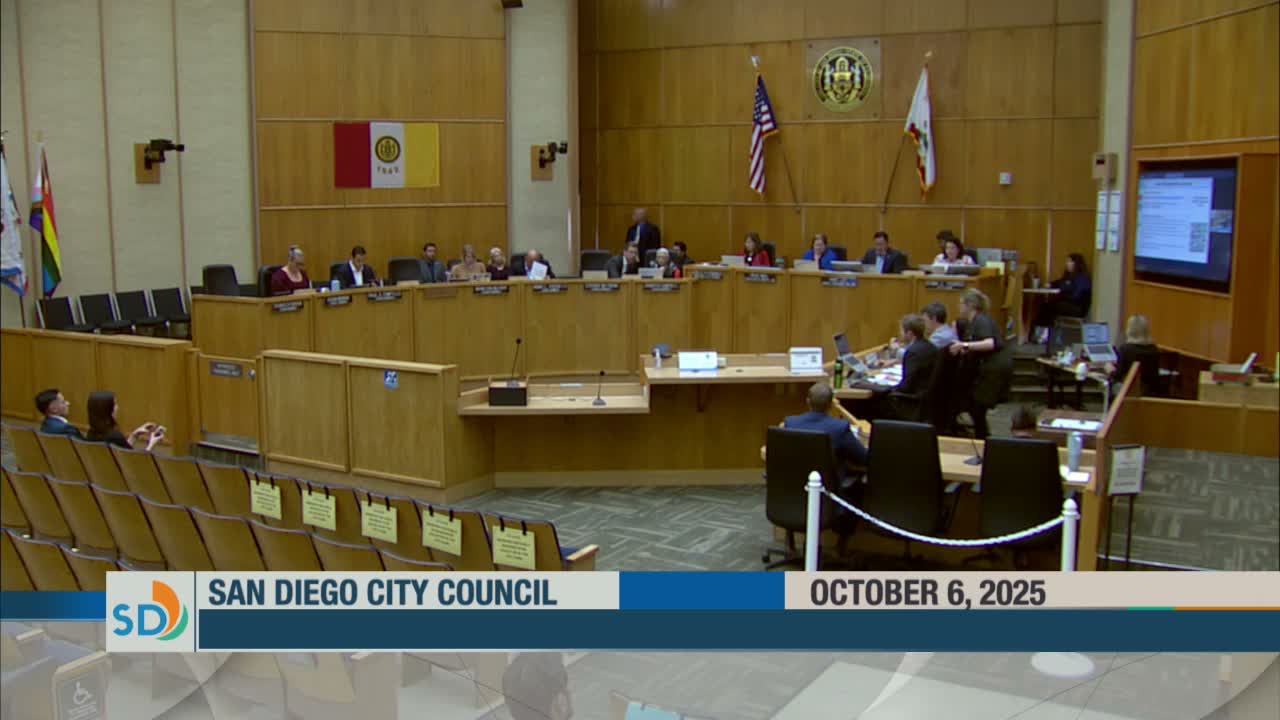
City auditors on Monday told the San Diego City Council that city staff altered contract spending limits by at least $15,000,000 without the council’s required approval and that a substantial share of contract alterations were submitted late or retroactively.
"Over each of the last few years, the city of San Diego paid hundreds of millions of dollars to outside contractors to provide goods and services," City Auditor Andy Henhouse said in opening the audit presentation. The audit team reviewed 157 contract alterations and identified three findings, Henhouse said, including that council approval rules in the San Diego Municipal Code were not followed in a portion of those alterations.
The audit's principal performance auditor said the team found that 11% of reviewed alterations had not been brought to council at all, totaling about $15 million, and that 19% of alterations — nearly $64 million — were submitted to counsel after the fact. "That puts pressure on the council's approval responsibility and may impact the council's ability to provide meaningful oversight," the auditor said.
Claudia Barca, director of Purchasing and Contracting, told the council her department has implemented eight of 13 audit recommendations and outlined next steps. Barca said staff plans to propose municipal code amendments to update approval thresholds and to clarify amendment language, and that the purchasing office will begin issuing quarterly memoranda summarizing upcoming expirations, ratifications and sole‑source contracts.
"P and C expects to bring these items forward to council for consideration within the next 6 months, if not sooner," Barca said. She also said a draft policy to better document changes in Ariba is under management review and will be submitted to the auditor's office "within the next few weeks."
Council members pressed staff for specific answers about an example the audit highlighted: a contract with a rental vendor in which Ariba showed contract spend exceeded the council‑approved value by more than $6,000,000 by March 2024. "Who made that illegal adjustment to a contract?" Council Member Von Wilpert asked. Barca said her staff made the system adjustment to allow continued payments because departments had accrued unpaid charges; she said staff have since stopped the process and are implementing policies to prevent recurrence.
Deputy Chief Operating Officer Christina Peralta said purchasing flagged the issue immediately to management and coordinated mitigation. "Contract management is a team sport," she said, describing steps management took to respond.
Public speakers praised the auditor's work and urged rapid implementation. Kathleen Lippitt asked the council to require written explanations when managers delay implementing audit recommendations; union and neighborhood speakers voiced frustration with past contract handling and urged stronger oversight.
The auditors recommended four main actions to address the first finding: present identified active contract alterations to council, propose updated municipal code language for approval thresholds, issue clarified guidance from the city attorney's office, and update departmental guidance on ratifications and documentation. Additional recommendations covered timeliness, improved procedures for ratifications, and better integration between contracting systems.
Because item 201 was presented as informational, the council did not take a formal vote on the audit at the meeting. Staff committed to return with code-change proposals and to provide quarterly reports to the council so members can track upcoming expirations and ratifications.
The council’s next steps are to review the proposed code amendments when they are docketed, evaluate staff’s new memoranda and documentation practices, and monitor implementation of the auditor's remaining recommendations.