Get Full Government Meeting Transcripts, Videos, & Alerts Forever!
Get email alerts on the Water Based Instruction topic
No spam. Unsubscribe anytime.
Council pauses vote on proposed finding that would require permits for nonprofit water programs after months of debate
Summary
Lifeguards and parks staff urged the council to keep permitting and safety standards for organized water‑based instructional activities; nonprofits and tribes asked the city to honor AB 2939 and expand access. Council voted to continue the proposal for further stakeholder work and negotiation in early September.
City lifeguards and Parks & Recreation staff presented a proposed finding under California Public Resources Code §5386 that would preserve the City's existing permit, insurance, training and site‑restriction requirements for organized water‑based instructional activities — surf lessons, paddle programs, kayaking, and similar programs — even when state law (AB 2939) expands rights for certain nonprofit and tribal providers to operate on public beaches without local permits in some circumstances.
Chief James Gartland summarized lifeguard jurisdiction and rescue activity (roughly 7,000 rescues per year), described the permitting framework the City uses to impose instructor‑to‑student ratios, certification and first‑aid standards, site selection rules that emphasize guarded beaches and minimum‑standards for equipment and emergency plans, and cited examples of camp‑related drownings and large litigation verdicts elsewhere to explain why staff sought an explicit City finding that the permitting and training regime remains necessary to manage liability and public safety.
Dozens of public speakers — including leaders of Outdoor Outreach, Paddle for Peace, Surfrider, Indigenous and coastal access advocates and many young program participants — urged the council to oppose the City's proposed finding and to uphold AB 2939, saying the state law was designed to reduce barriers and expand equitable access for underserved youth. They argued many nonprofits already follow high training and safety standards, provide trauma‑informed programming and that existing permit restrictions (weekday limits, limited beach locations and short time windows) create inequities that the state intended to reduce.
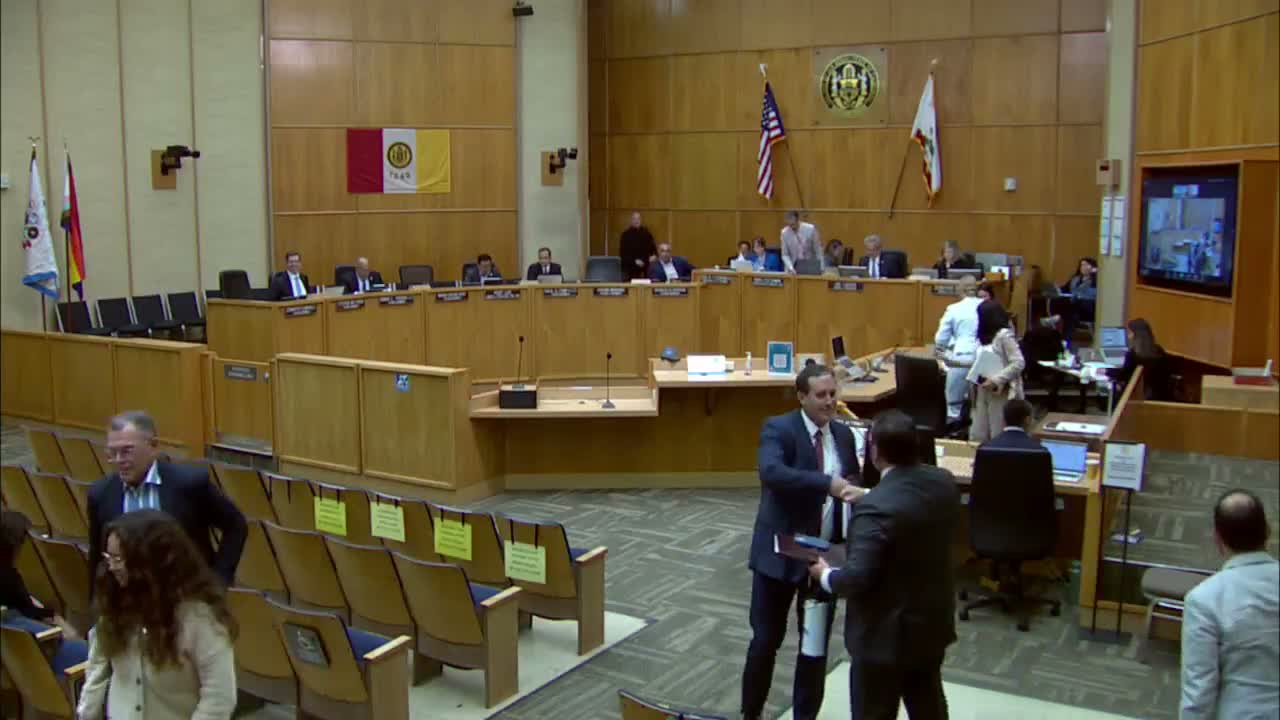
Council debate was lengthy. Members acknowledged the shared goal of safety but differed on how to balance liability protection and immediate access. Several councilmembers said they support the concept of minimum safety standards and welcomed continuing work to incorporate nonprofit needs while ensuring the lifeguards can enforce standards and know where organized groups operate. Council voted to continue the item to early September and directed staff to conduct additional stakeholder work to craft a compromise.
What happens next: staff will convene stakeholders — lifeguards, Parks & Recreation, nonprofit leaders and legal advisors — and return with a refined recommendation in early September, with the council explicitly asking for concrete proposals that reconcile AB 2939's access goals with lifeguard‑defined safety measures and enforceable reporting/communication protocols.