Get Full Government Meeting Transcripts, Videos, & Alerts Forever!
Get email alerts on the Budget topic
No spam. Unsubscribe anytime.
Georgetown County finance director outlines six‑month budget cycle, grant workload
Summary
New finance director Megan Colegrove described Georgetown County’s six‑month budget process, the intensive ‘March Madness’ line‑by‑line review, management of roughly $97 million in grants, and a recent clean audit as the county moves toward personnel and expenditure decisions for the coming fiscal year.
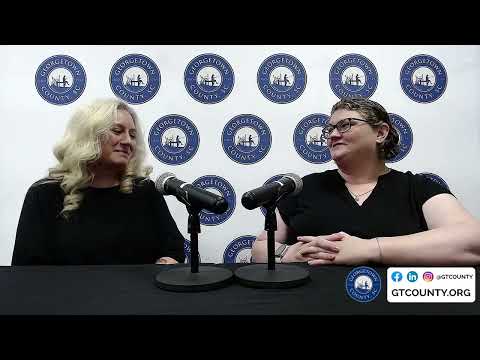
Megan Colegrove, Georgetown County’s finance director, told the county’s First Friday podcast that the county’s annual budget is effectively a six‑month process that starts in January and typically finishes with a third reading in June. “Budget is almost a six‑month process,” Colegrove said, describing an early review of actuals, departmental requests and a series of meetings that culminate in detailed line‑by‑line scrutiny.
Colegrove said departments budget for 30 primary funds and numerous grant funds beyond those, and that the department runs a multiweek review—dubbed “March Madness”—during which department heads must justify individual line items. “They get a lot scarier,” the host joked; Colegrove agreed, saying even a chair request can be cut. She added that some departments receive callback meetings and that larger funds—environmental services and legal—often require multiple rounds.
Colegrove told listeners the county manages about $97,000,000 in grants, ranging from small awards of a few thousand dollars to multi‑million dollar grants, and that grant reporting is a substantive part of the finance office’s workload. The county’s fiscal year runs July through June; auditors begin fieldwork each September and typically finish in December. Colegrove said auditors issued an unmodified opinion—commonly called a clean audit—on her first audit cycle at the county.
Looking ahead, Colegrove said staff are tracking revenues versus expenses and working toward a balanced budget that may allow modest personnel cost increases if the numbers permit. “We keep rolling up the reporting to see where our revenues are versus our expenses,” she said, noting that personnel increases will be considered if the budget balances.
The county plans additional budget workshops and the formal council readings in the spring; residents can follow the process through the county’s public calendar and upcoming council meeting notices.