Lifetime Citizen Portal Access — AI Briefings, Alerts & Unlimited Follows
Lawmakers debate child‑welfare tradeoffs: child advocacy centers, DFCS pay structure and foster recruitment
Loading...
Summary
Committee members argued over reallocations to Child Advocacy Centers and DFCS recruitment/bonus language and approved cutting a state foster‑family media campaign while rejecting a proposed CAC reallocation.
The House Finance Committee spent significant time on child‑welfare issues during the April 1 session, splitting along pragmatic and fiscal lines.
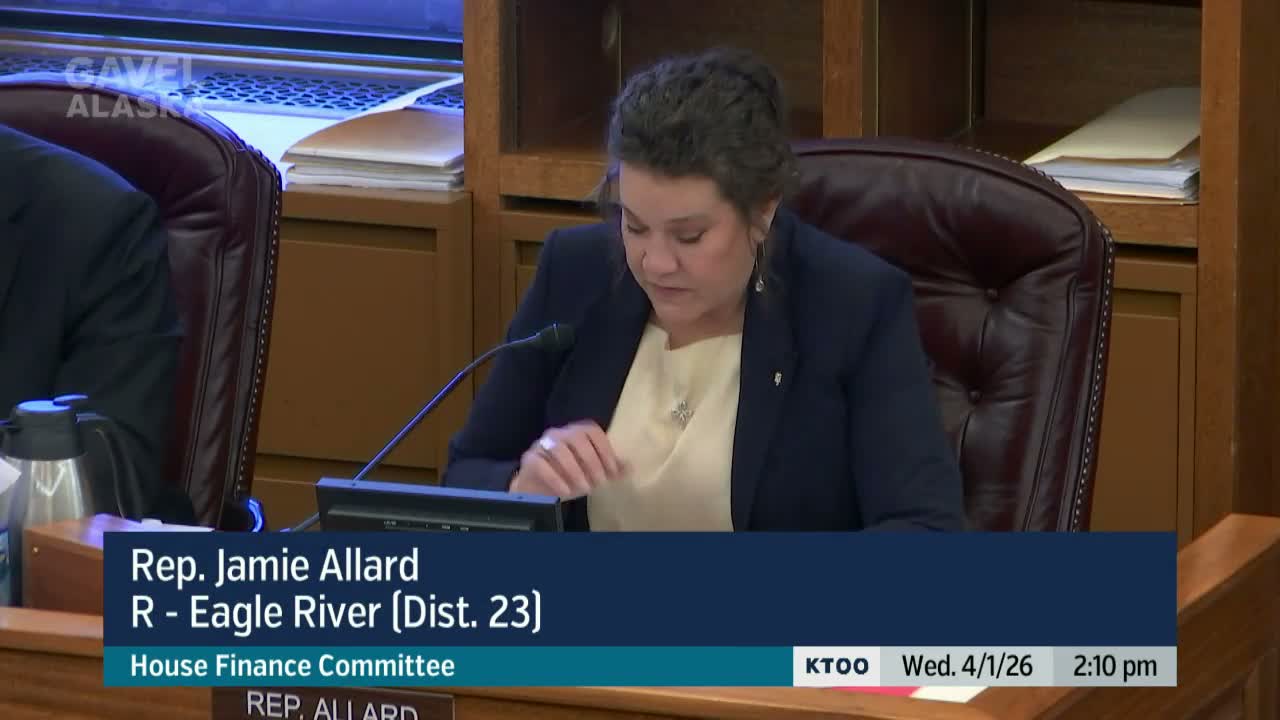
Representative Allard offered Amendment 61 to reallocate funds from a Parents as Teachers line to Child Advocacy Centers (CACs), arguing CACs are underfunded given reductions in federal VOCA resources. Supporters described CACs as critical multidisciplinary hubs for forensic interviews, medical exams and behavioral health referrals for maltreated children. Legislative Finance and CAC advocates clarified parts of the funding picture: CAC requests for FY‑27 were included in the committee substitute but further federal reductions prompted additional asks. The amendment failed on a 5–6 roll call.
Separately, Representative Jimmy proposed directing recruitment and bonus dollars toward higher‑qualified protective‑services caseworkers (PSS3s) to address turnover and burnout; the concept drew questions about retention versus recruitment, the prescriptiveness of the language, and the risk of demoralizing current staff if only new hires received bonuses. After debate, the conceptual amendment was not adopted and was later withdrawn by the sponsor.
On foster recruitment, Representative Moore successfully moved to remove a $350,000 state media campaign intended to recruit foster families, arguing the funds would be better used for direct support. Supporters of the campaign cited prior ad efforts and ARPA‑funded ads that produced hundreds of inquiries and dozens of new applicants in short windows; after a procedural re‑vote the committee adopted the cut 8–3.
Why it matters: Decisions on where to invest limited state funds (direct services, recruitment, or system capacity) shape frontline capacity to respond to child abuse and neglect and affect the workforce that supports children in crisis.
What’s next: The CAC and DFCS funding positions, and the removal of the recruitment campaign, will travel forward with the committee’s substitute for consideration by the full House.