Get Full Government Meeting Transcripts, Videos, & Alerts Forever!
Get email alerts on the Procurement topic
No spam. Unsubscribe anytime.
After Parrot Island slide controversy, Fort Smith directors advance ordinance requiring written third-party agreements
Summary
Directors discussed a draft ordinance to require written agreements and disclosure for third-party intermediaries after American Resort Management—(ARM) provided email estimates used in a slide procurement; proponents said the rule would prevent future cost surprises and provide legal recourse, while critics cautioned about procurement impacts and insurance costs.
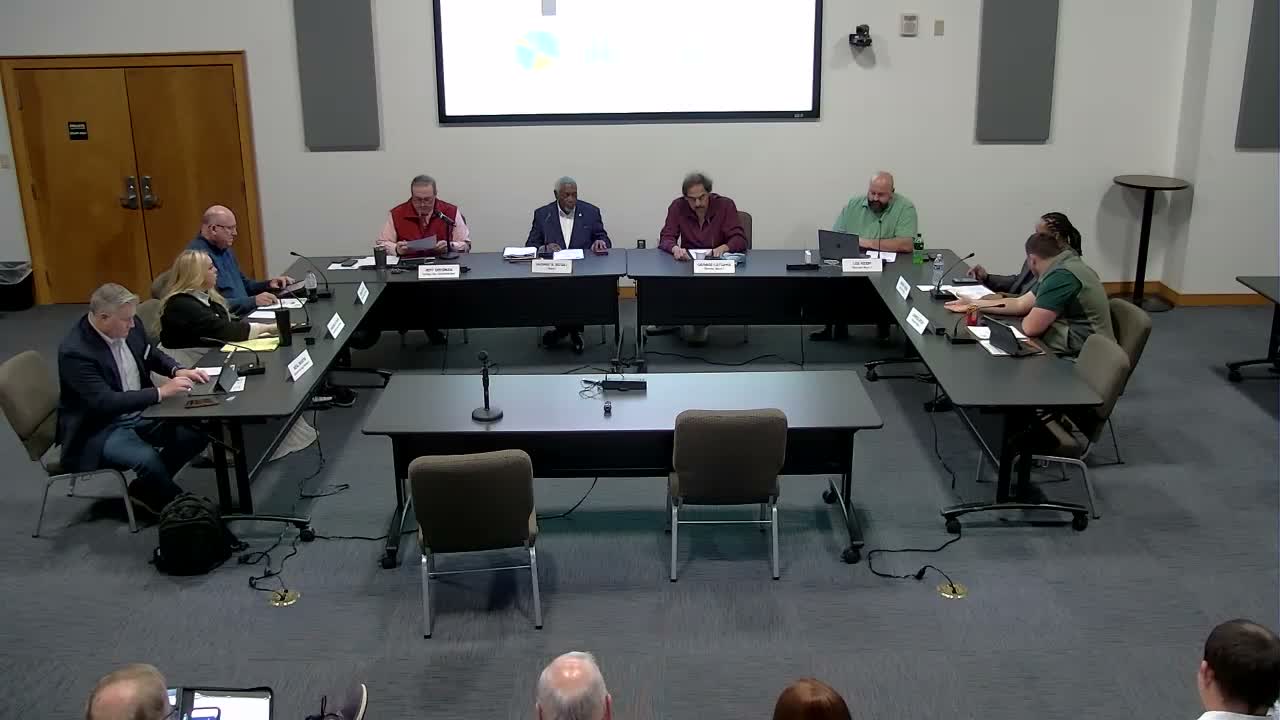
The Fort Smith board debated a proposed ordinance to establish accountability, disclosure and written standards for third-party intermediaries after officials said American Resort Management—(ARM) provided cost estimates that influenced a recent water-park slide procurement.
Director Christina Kasabas introduced the draft ordinance and said its aim is to "eliminate the conditions" that allowed a third party to materially influence a major capital project without a written agreement. "When third parties provide estimates and cost assumptions that we rely on to make decisions and they're not required to stand behind the accuracy of that information, we open the door to cost overruns and, you know, potentially corruption," Kasabas said.
Board members described the Parrot Island slide procurement as the motivating example: officials said an email with estimates from ARM was used as the basis for decisions but no formal contract existed. Jeff Dingman confirmed the email "is what started this" and that no written authority was provided to ARM to broker the deal.
Opponents warned the ordinance could create procedural friction and raise insurance or procurement costs. One director said estimates are "inherently fluid" and cautioned that the measure might deter reputable firms from working with the city; others argued a written agreement is basic business practice and would protect both parties. Several directors asked that the ordinance language be vetted by the city attorney and that the scope be clarified to avoid unintended consequences for utility, engineering or other technical contracts.
By the end of the discussion a motion was made to place the ordinance on the next meeting agenda for a vote and directors signaled they would continue refining the language with legal input.