Get Full Government Meeting Transcripts, Videos, & Alerts Forever!
Get email alerts on the K12 Budget topic
No spam. Unsubscribe anytime.
Mendon‑Upton school committee certifies $48.3M FY27 budget after hearing on $4.1M gap; parents press for special‑education hires
Summary
After a presentation that described an approximate $4.1 million structural gap driven by health insurance, salaries and out‑of‑district special‑education costs, the Mendon‑Upton Regional School District committee certified a $48.29 million FY27 operational budget and set town assessments; parents urged more special‑education staffing.
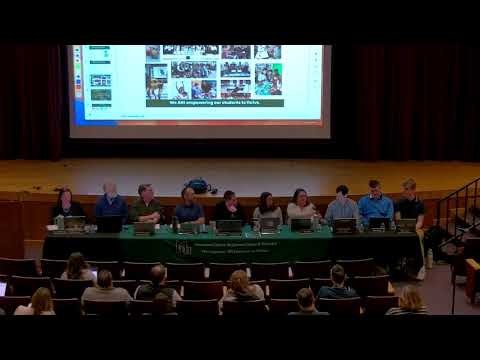
The Mendon‑Upton Regional School District school committee voted unanimously on March 9 to certify an FY27 operational budget of $48,289,556 and to assess town shares after a budget presentation that identified an approximately $4,100,000 gap between projected revenues and expenditures.
Superintendent Paul opened the budget presentation by calling the district’s circumstances “a bit of a perfect storm,” and said the gap between revenue and expenditures “as of today is about $4,100,000.” He and district finance staff said the largest drivers are rising health‑insurance costs, increased salary and benefit obligations, and growing out‑of‑district special‑education tuition costs.
Jay, the district’s finance/administrative presenter, summarized the drivers: health insurance was cited at roughly $1.7 million, salaries at about $1.5 million and out‑of‑district special‑education tuition near $980,000 — figures the administration said together account for the majority of the proposed increase. The presenters said state aid and other revenue increases in the current forecasts (including a modest Chapter 70 increase and transportation and charter reimbursements) would cover only a small portion of the shortfall.
The district also warned of program and staffing impacts if the gap is not addressed. Presenters said the gap could require reductions approaching 45 positions district‑wide and could increase class sizes in some grades into the mid‑20s or higher, reduce elective offerings and extracurricular stipends, and limit counseling and targeted intervention services.
Members of the public used the meeting’s three‑minute public‑comment period to press the committee on special‑education staffing. “Investing in special education is an investment in all students, not just for those with disabilities,” said Alicia, a Upton resident and parent, who urged approval of the additional staff requested in the needs‑based budget. Rebecca Gettman, vice president of the district’s Special Education Parents Advisory Council, said DESE had flagged the district for insufficient special‑education staffing and urged the committee to consider the long‑term cost of sending students out of district.
Administrators clarified several points during the question period. The presentation said the district currently has 16 out‑of‑district placements and is planning for up to 22 next year because several students are in active evaluation; the timing of final placement decisions may not be known until late spring or summer. Officials also explained circuit‑breaker reimbursement rules for out‑of‑district tuition and described limits on using certain revolving funds for operating expenses.
After public comment, the committee read and considered six motions to set the operational budget, assess town shares for Mendon and Upton, and appropriate specified state aid and district funds (including an E&D appropriation and transfers from revolving accounts). A roll‑call vote recorded aye votes from Jim Forgy; Matt Hagan; Carrie Buxton; Vicki Levinson; Erica; and Sean Nicholson, and the motions carried.
Next steps identified by the administration include continued outreach to both towns’ select boards and finance committees, further refinement of projections as federal and state aid numbers are finalized, and additional public engagement. Administrators also said they will continue to advocate at the state level for higher special‑education reimbursements and other supports.
The committee adjourned following the vote. The towns of Mendon and Upton will receive assessment letters and decide whether and how to fund the adopted budget through their town processes, including any decision to pursue an operational override under Proposition 2½ provisions.