Insulin access bill splits Oklahoma Senate as lawmakers debate government role in markets
Loading...
Summary
SB 13‑44 would create an insulin access and affordability framework guaranteeing U.S.-made biosimilar insulin at capped patient prices and requiring MOUs and reporting; supporters cite lifesaving urgency, critics warn of market distortion and possible taxpayer exposure.
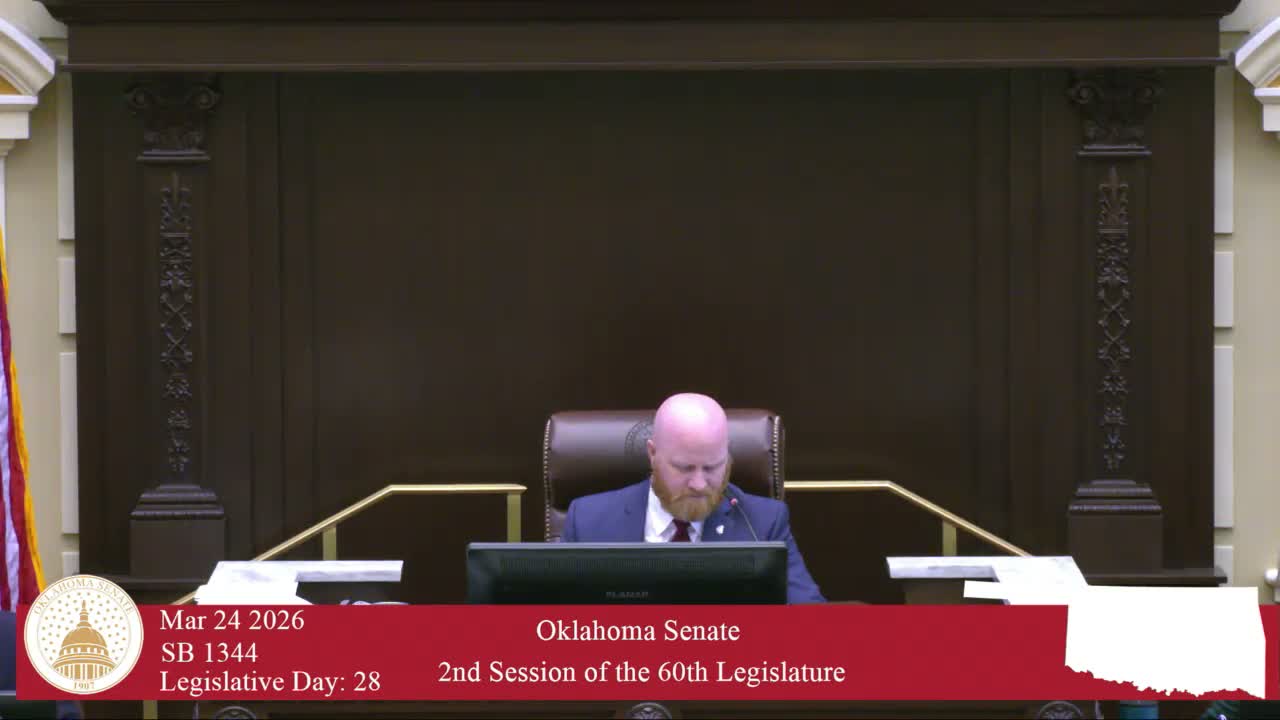
The Oklahoma Senate spent more than an hour debating SB 13‑44 on March 2, a proposal to create an insulin access and affordability program aimed at securing American‑made biosimilar insulin at capped patient prices and formal accountability measures.
Leader Rosino, the bill's sponsor, said the legislation establishes a framework for an agreement with a manufacturer to produce insulin in the United States at set maximum prices to patients and payers, with requirements for an MOU, annual reporting and accountability. "Senate Bill 13‑44 creates the insulin access and affordability program at the health department to increase access to insulin and reduce prescription drug costs and bolster American manufacturing," he said.
Supporters argued the status quo is deadly: Senator Hicks urged action, saying rising insulin costs have life‑threatening consequences and stressing the original social compact around insulin. "What has happened in the private markets is egregious and folks are dying," she said.
Opponents faulted the structure and potential fiscal pathway. Senator Jett urged caution and described a looming risk—later repeated in floor debate—that the bill could be used to establish a conduit for future appropriations to private manufacturers, creating market distortions and long‑term taxpayer obligations. "This is socialized medicine, Oklahoma style," he said in floor remarks that encapsulated the opposition's core worry.
What the bill does and does not do: On the floor the sponsor repeatedly said the bill does not in itself appropriate funds; it creates a mechanism and accountability framework (MOUs, reporting, production and pricing commitments and remedies for noncompliance) and limits participation to insulin produced in the United States. The sponsor also said the program would guarantee certain maximum patient prices (for example, a cited cap of $30 per vial and $55 per prefilled pen in the sponsor's answers on the floor) as part of negotiated commitments.
Process and scrutiny: Senators questioned whether the program's framework could be applied beyond insulin, how selection of manufacturers would be made, how accountability and procurement conditions would ensure taxpayer protection, and whether use of future appropriations could create perverse incentives. The sponsor said the State Department of Health would negotiate MOUs with firms, require annual reporting and build clauses to recoup funds if the manufacturer violates commitments.
Next steps and politics: The bill was advanced on the floor (41 ayes, 2 nays on an advancement vote) and remained the subject of close scrutiny in debate; sponsors and opponents both signaled they expect follow‑up work on procurement rules, oversight and limitations to protect taxpayers.
Why it matters: Insulin is a high‑demand, life‑saving drug used by hundreds of thousands of Oklahomans; the bill attempts to pair affordability commitments with U.S. manufacturing requirements. The contest on the floor highlighted a deeper division about when and how state government should intervene to address high drug prices versus leaving such actions to market forces or federal policy.
What to watch: If the bill proceeds, additional implementing language and associated appropriations (if any) will be the central focus for negotiators and oversight advocates.