Planning staff unveil citywide density bonus proposal with 5 tiers and 10% affordability requirement
Loading...
Summary
City staff proposed a citywide density bonus program that creates five height tiers (0, +15, +30, +45, +60 feet), requires 10% affordable units across all tiers (50% MFI for rental; 80% MFI for ownership), and applies to commercial base zones while adding tenant protections and unit‑replacement rules.
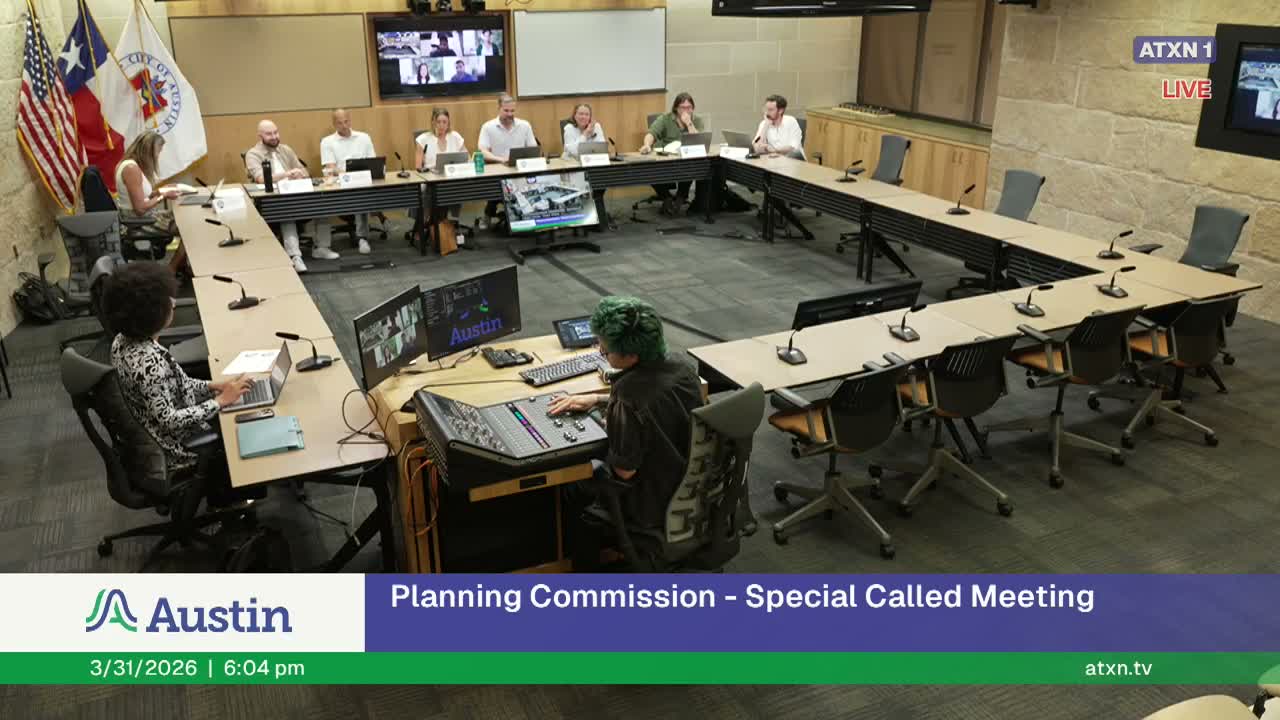
City planning staff presented a draft Citywide Density Bonus Program to the Planning Commission at a special meeting, outlining a five‑tier system of optional height and site‑standard relaxations tied to required community benefits.
“10% across the board,” said Warner Cook, principal planner, summarizing staff’s central affordability proposal: 10% of units affordable at each tier — ownership units targeted at 80% median family income (MFI) and rental units targeted at 50% MFI. Staff said rental affordability would be required on‑site; ownership units would allow a fee‑in‑lieu option.
The program would be available only in commercial base zones and would offer a menu of entitlements beyond height, including reduced setbacks, waived dwelling‑unit caps and relaxed compatibility standards. Staff described five combining districts: BASE (no additional height), DBC+15, DBC+30, DBC+45 and DBC+60; only one tier may be applied per property. Staff emphasized the proposal is voluntary — developers must still rezone or opt in to access the bonus — and noted recent state law changes (referred to in briefing as Senate Bill 840) that allow certain mixed‑use and multifamily development by right on commercial land.
Redevelopment rules under Chapter 4‑18 would apply to qualifying sites currently renting at or below 70% MFI. That code requires tenant protections (advance notice, relocation allowances, security deposit and rent protections and a right of first refusal) and unit‑replacement obligations that staff said translate to a required minimum of about 10% replacement up to a cap near 20%, depending on the site's existing unit count and the new project size.
During an extended question‑and‑answer period, commissioners pressed staff on several design choices: why the proposal excludes multifamily base zones from automatic application, why the program ties a 65% minimum residential share to mixed‑use projects, and why staff recommended a flat 10% affordability requirement for every tier. Staff explained the choice reflects a balance of simplicity for permitting, market realities that make deeper affordability harder to deliver without subsidies, and the goal of geographic dispersion of income‑restricted units rather than concentrating them in a few places. "We are trying to balance potentially competing goals," Stevie Greathouse, division manager in Austin Planning, said when explaining tradeoffs between encouraging tall buildings near transit and protecting existing lower‑income residents.
Commissioners also asked about fee‑in‑lieu design, monitoring and enforcement. Brendan Kennedy of Austin Housing said fee‑in‑lieu pools are typically oversubscribed and that Austin Housing is working to strengthen monitoring and compliance capacity for incentivized units. Staff said some fee‑in‑lieu streams are geographically restricted today (for example, certain transit‑oriented districts) but the staff recommendation for the citywide ownership fee does not propose geographic fencing; funds would flow to the city’s housing trust and gap‑financing programs.
Staff outlined the near‑term schedule: a Codes and Ordinances joint committee briefing on April 15, a Planning Commission hearing and recommendation on April 28, and City Council consideration on May 21. Staff also invited the public to an in‑person Housing Affordability Fair (Conley Guerrero Senior Activity Center, April 11) and a virtual open house (April 13) and provided a SpeakUp page (speakupaustin.org/citywidedb) for comments.
What’s next: the Planning Commission will consider staff’s formal recommendation and draft code language at its April 28 meeting; commissioners signaled interest in forming a working group to prepare amendments and questions in advance of that hearing. The commission approved routine consent business early in the meeting and adjourned at 8:18 p.m.