Appeals court considers whether grandparents had a "significant preexisting relationship" with child under Blix
Loading...
Summary
Grandparents argued a five‑month period of co‑caregiving when the child was an infant plus years of subsequent visitation established a significant preexisting relationship that would make removal harmful; the mother————and her counsel said precedent sets a high bar and the trial judge correctly declined to order visitation.
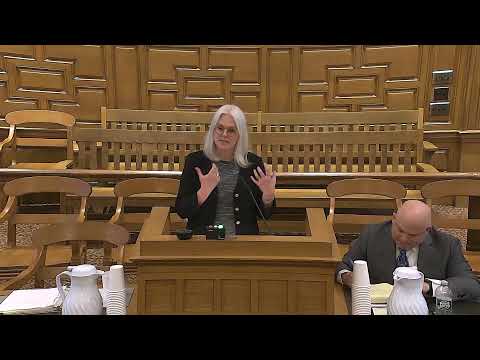
Matthew Burack, representing the grandparents, told the panel that the record shows substantial contact — temporary primary caregiving when the child was an infant, then years of sustained visits — amounting to a "significant preexisting relationship" under Blix and related authority, and that the child's loss of that relationship after the death of the father caused demonstrable harm.
"The significant relationship here is the totality of the contact, the totality of the fact that the child and the grandparents were bonded," Burack said, urging the court to apply a standard that gives weight to early caregiving and the child's continued bond with grandparents.
The mother's counsel, Claire Donahue, urged deference to the trial judge's factual findings and emphasized that Blix and subsequent cases impose a high bar for third‑party visitation; she cited cases in which long‑running visits or even years of shared caregiving were found insufficient.
The panel probed whether a legal rule should quantify "significant" or whether the inquiry remains a fact‑specific best‑interest determination. Several justices observed that published case law has frequently declined to find the predicate relationship even after extended contact, and they questioned whether the court should adopt a bright‑line rule or continue to treat the matter case by case.
Argument concluded without a decision; the panel took the matter under advisement.