Get Full Government Meeting Transcripts, Videos, & Alerts Forever!
Get email alerts on the Fy27 Budget topic
No spam. Unsubscribe anytime.
Cumberland committee warns FY27 budget assumes no fund balance and may need $1M in cuts
Summary
At a March 10 workshop district staff said the FY27 proposal models no fund balance, counts a $2.1 million state-aid boost and assumes a 4% town contribution but — after contractual raises and insurance pressure — could require about $1,000,000 in cuts to balance.
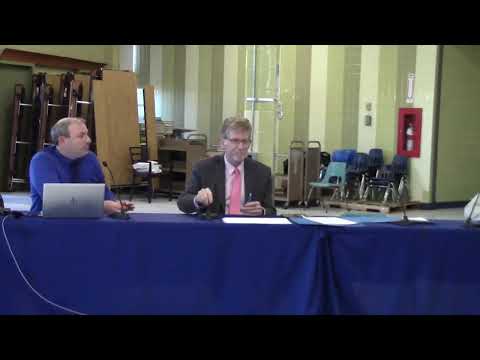
The Cumberland School Committee convened a special budget workshop on March 10 to review staff modeling for the fiscal year 2027 budget and the financial choices that lie ahead.
Dr. Thornton opened the meeting and told members, “So this budget will have no fund balance in it,” explaining that the district has been drawing on one-time fund-balance transfers for several years and staff had set a goal of eliminating that reliance for FY27. He said the district’s fund balance has fallen from more than $5 million to roughly $1.2 million.
Director Tim, who led the presentation, said staff modeled revenue that includes a roughly $2,100,000 state-aid increase and the town’s 4% maximum contribution, but added that contractual salary step increases push total personnel costs above a simple 4% raise. “When you look at it, there’s also steps in there,” he said, noting the combined effect moves the personnel cost increase closer to 5%.
Dr. Thornton warned the consequence: “putting in the raise next year for the, you know, the the contractual raises, as of this hour, we’d have to cut around 1000000 dollars out of the operation.” The committee and staff identified personnel and benefits (object codes in the 5-100 and 5-200 series) as about 80% of the district budget, leaving few places to find savings outside staffing and fringes.
Tim detailed health-insurance pressures as a major driver. He said the broker recommended a rate near 9.9% but staff modeled 8% and that the rise reflects multiple high-cost claims that have not hit stop-loss thresholds and are drawing down reserves: that combination, he said, amounts to “almost an 800,000 increase” in insurance costs in the FY27 model.
Staff also noted other items affecting the gap: an estimated $150,000 bus rate adjustment, enrollment changes that could bring about 10 additional out-of-district students (roughly $85,000 in revenue), and uncertainty in breakage (vacancies/retirements) that in prior years reduced costs by several hundred thousand dollars. Tim said he might model breakage at about $300,000 for Thursday’s packet instead of the $700,000 previously discussed.
Committee members pressed staff for options. Several asked whether nonpersonnel efficiencies or program adjustments could reduce the shortfall; staff said they would present candidate reductions and noncontroversial efficiency measures at the committee’s Thursday meeting and during other scheduled workshops. The committee noted the budget must be transmitted to the mayor by about April 6, creating a firm calendar for decisions.
No formal budget votes were taken at the workshop. Chair procedural motions to approve the agenda and later to adjourn were both approved by voice vote, 6-0.
The committee plans follow-up workshops and will consider staff recommendations at its next regular meeting and the scheduled budget workshop before finalizing a FY27 submission to the mayor.