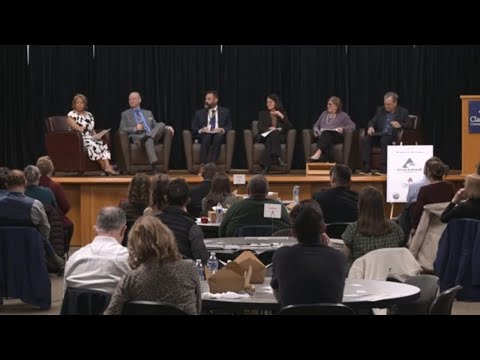
Clackamas County commissioners tout pro-growth agenda, promise land‑use coordination and grants
Loading...
Summary
At a county business forum commissioners emphasized pro‑growth priorities — land readiness, infrastructure, regulatory relief and grants — and described steps to map industrial land, coordinate with cities and pursue state partnership and funding to support traded‑sector jobs and housing.
Clackamas County elected officials used a Business in the County forum to outline a pro-growth agenda centered on land readiness, infrastructure investment and regulatory coordination with cities and the state. "We wanna create an environment and culture where job creators, innovators and investors can thrive," one commissioner said.
Chair Craig Roberts, introduced himself as the county chair, said the board has pursued roundtables and public surveys to build a strategic plan and cited momentum in economic development. "We have done a lot of great work here in the last few years," Roberts said, noting the county is working with health-care leaders and regional partners on related social priorities.
Commissioners described an internal work group compiling a map of available industrial land and overlaying it with Metro maps to identify parcels suitable for development, while also flagging infrastructure gaps such as transportation linkages and utilities that constrain land readiness. Officials said some land is effectively "locked up" by a lack of transportation links and noted the Sunrise Corridor as an example of needed infrastructure.
Speakers said permitting and administrative delays can stall projects that the board supports, using an example in which a preferred builder's proposal slowed in permitting. Several commissioners urged closer coordination with city leaders and proposed an economic forum to bring mayors, councilors and county leaders together to align on capacity and infrastructure needs.
Officials also described county grant programs and targeted funding: the business development grant program, this year allocating $650,000 in funds tied to a state water-plan source to support traded‑sector businesses that export goods and provide living‑wage jobs, and workforce development grants for internships and apprenticeships. "We are committed to growing business in the county," one commissioner said, explaining those funds aim to help firms expand, relocate and hire locally.
Commissioners framed these steps as part of a broader regional strategy, noting work with Metro, the Westside Economic Alliance and statewide coalitions to press for infrastructure dollars and regulatory alignment with cities and the legislature. They emphasized the county's dual focus on economic growth and social priorities such as behavioral health and homelessness.