Lifetime Citizen Portal Access — AI Briefings, Alerts & Unlimited Follows
Commissioners remove ‘eco‑industrial’ designation, approve Muskego 2035 comprehensive plan
Loading...
Summary
After concerns from residents about an "eco‑industrial" designation near the landfill, the Flag Commission unanimously voted to remove that language from the City of Muskego's 2035 Comprehensive Plan and to approve the updated plan and associated municipal code references.
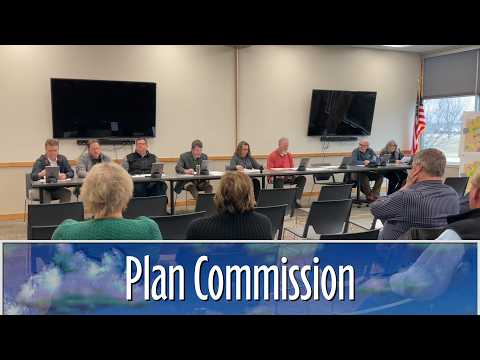
The Flag Commission on March 11 unanimously approved the City of Muskego’s 2035 Comprehensive Plan after voting to remove an "eco‑industrial" desired development designation that residents and the common council had criticized.
Staff summarized the update as an editorial and data refresh of the city’s 2020 plan, covering population statistics, roads, housing, utilities and community facilities required in a comprehensive plan. The staff member said the update retained most goals and objectives but adjusted future land uses in three locations: a northern area near the college and the planned Kirkland Cross subdivision was changed from low‑ to medium‑density residential because a sewer study showed it could be served by sewer; areas on either side of 30 Drive west of the golf course were similarly changed; and a property on Racine Avenue was proposed to extend the commercial corridor north of Janesville Road at the owner's request.
On the plan’s eco‑industrial language, staff told commissioners that seven people had spoken at a public hearing the previous night — mostly residents from the southeast corner of the city (Glen/Muskego Lakes/Champions Village/Aster Hills) — and that those speakers had expressed concern about an eco‑industrial desired development area shown near the landfill. "Based on our recommendation by council and all and everyone that spoke, it was determined maybe the best solution is just to get rid of that desired development area," the staff member said. He added that "all references to the eco industrial desired development area be removed from the 2035 comprehensive plan, text, and future land use map due to concerns raised at the public hearing and common council recommendation." The commission moved to adopt that amendment and approved it unanimously.
Commissioners and participants reviewed the history and rationale for the eco‑industrial language, noting the concept dated to roughly 2009–2012 when the city explored encouraging green, reusable‑resource businesses near the landfill and briefly discussed capturing landfill methane for local use. One resident remarked that the city would not receive a financial claim from the landfill methane as originally hoped, saying, "We can't. We said we can't." Several commissioners observed that while a private business could pursue such projects, keeping the designation in the plan created community concern and a perception the city would be underwriting such development.
After adopting the amendment to remove the eco‑industrial references, the commission took a final vote to approve the 2035 Comprehensive Plan and related municipal code references (Chapter 380, updated to cite the 2035 plan). The Chair called the vote; the motion carried unanimously among the members present. Earlier roll call recorded six members present and two absences; commissioners declared a quorum at the start of the meeting.
The commission adjourned after the vote. The approved plan and the redlined edits removing eco‑industrial references will be forwarded to the common council as the commission’s recommendation.