Get Full Government Meeting Transcripts, Videos, & Alerts Forever!
Get email alerts on the Healthcare Provider Market topic
No spam. Unsubscribe anytime.
Subcommittee chair frames provider consolidation and 340B transparency as drivers of higher health costs
Summary
The House Committee on Energy and Commerce subcommittee opened its third health affordability hearing to examine how provider consolidation, billing opacity and the 340B drug-pricing program affect costs and patient access; witnesses from hospital, physician and purchaser groups were invited to testify.
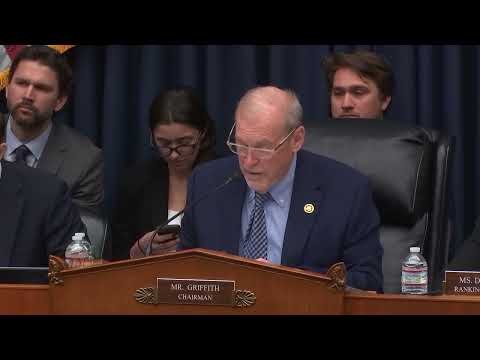
The House Committee on Energy and Commerce subcommittee opened the third hearing in its health affordability series to examine how consolidation among providers and limited transparency in billing and drug-discounting programs affect patients’ access to care, the subcommittee chair said.
“Today, we will discuss health care costs and patient access challenges by examining the health care provider landscape,” the chair said in an opening statement, setting the session’s focus on hospitals, health systems, independent physician practices and other provider settings.
The chair framed the central concerns as reduced choice and higher prices when hospitals acquire physician practices or health systems merge—trends he said are especially acute in states with larger rural populations. He noted safety-net organizations such as federally qualified health centers, rural health clinics and community hospitals play a critical role in underserved areas but are not testifying at this hearing.
The chair also raised concerns about the federal Affordable Care Act, saying that it has, in his view, produced limits on growth for certain physician-owned hospitals built before 2010 and questioned whether that result is sensible. He added that limited competition and inadequate price transparency leave patients facing unexpected, sometimes delayed medical bills that are difficult for patients and Congress to interpret.
On prescription-drug discounts, the chair said the 340B drug-pricing program was created to help safety-net providers care for low-income and vulnerable patients but that participation by hospitals and affiliated contract pharmacies has made it harder to see how discounts are used and whether savings reach intended patients. “Visibility has become limited into how the programs generated discounts are used and whether those savings are reaching the patients that they were meant to reach,” he said.
The chair listed the organizations and individuals scheduled to testify: the American Hospital Association; the organization identified in the transcript as the American Medical Society; the American Academy of Family Physicians; the Purchaser Business Group on Health; a neurosurgeon from the University of California, San Francisco; and Barbara Murrell from the American Network of Community Options and Resources. No votes or formal actions were taken during the opening statement.
The hearing will proceed with testimony and questioning from those witnesses, who the chair said have unique insights into the factors driving high costs for patients and barriers to affordable care.