Get Full Government Meeting Transcripts, Videos, & Alerts Forever!
Get email alerts on the Facade Grant Program topic
No spam. Unsubscribe anytime.
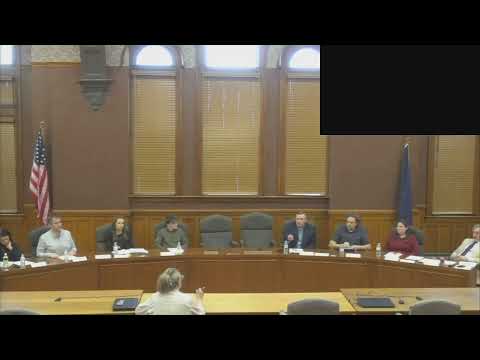
Commission weighs simplicity, oversight and matching rules for a proposed façade grant program
Summary
The Pulaski County Redevelopment Commission discussed a draft façade‑improvement grant program that would offer partial matching funds for building improvements; members debated whether to keep the process simple or add an oversight committee, set per‑recipient caps (suggested $10,000/yr, $30,000/5yr), and whether to reimburse applicants or pay contractors directly; staff will revise the draft and research contractor‑pay practices.
Commission staff presented a draft facade‑improvement grant program and commissioners spent the bulk of the meeting weighing program design choices: eligibility (building vs. business), match percentage, annual and multi‑year caps, oversight, architectural standards for historic downtowns, and handling ADA or demolition work that could trigger additional compliance requirements.
"I think we should make it more plain," Speaker 5 (Katie) said when discussing mission and program documents, arguing for accessibility. Multiple members urged a simple application and quick turnaround—Speaker 6 (public commenter Jenny Nagel) described Culver's one‑page application and rapid reimbursement—while others recommended a scorecard or rubric to prioritize projects and limit discretionary bias.
Key items discussed: - Match and caps: Staff proposed a flat 50% match with a conservative initial maximum of $10,000 per recipient per year and a suggested five‑year cap (e.g., $30,000). Commissioners discussed keeping annual limits to avoid allocating most funds to one building or developer. - Oversight vs. speed: Several members favored a small oversight committee with local representation (town trustees or Main Street organizations) to provide in‑depth review, particularly for historic projects; others said the full commission could handle approvals to keep the process simple and accessible for small business owners. - Payment mechanism: Commissioners debated reimbursement (applicant pays and is reimbursed) versus paying contractors directly. Reimbursement simplifies county vendor problems but can impose cash‑flow burdens on small businesses; paying contractors raises procurement and vendor‑management issues staff must research. - ADA and demolition: Several members cautioned against funding sidewalk or ADA projects that could lead to complex compliance obligations; some demolition tied to necessary ADA work was discussed as a possible limited exception.
Why it matters: The design choices will determine how easy it is for small business owners to access county support, how the county protects public funds, and how the program interacts with local historic preservation and ADA requirements.
Next steps: Staff will revise the draft to reflect the discussion, circulate a modified scorecard, and research whether peer counties pay contractors directly or use reimbursement models. The commission emphasized that funding is not yet allocated and no final program rules were approved at this meeting.