Senate adopts bill extending Coogan-style protections to child influencers
Loading...
Summary
The Colorado Senate adopted House Bill 10-58 to extend Coogan-style protections to minors who earn money through digital content, requiring trust-like safeguards and incorporating a small technical amendment requested by the telecommunications industry.
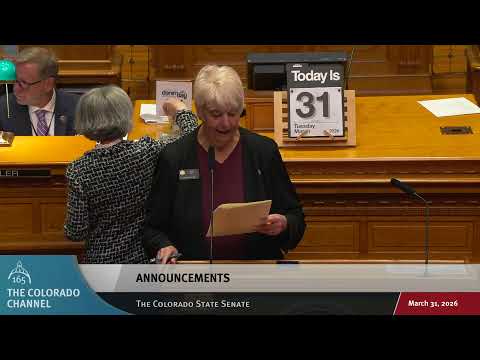
The Colorado Senate on March 31 adopted House Bill 10-58, a measure that sponsors described as extending protections similar to California’s Coogan law to minors who appear in, or create, digital content that generates income.
The bill’s sponsor, Senator Ball, said the measure “is about extending what’s called Coogan’s law to the age of the Internet.” Ball told colleagues that many children and families now make money producing online content and that the bill would require a trust-like mechanism to protect minors’ earnings.
Ball said the Judiciary Committee added “a very small technical amendment at the request of the telecommunications industry to clarify that this bill did not apply to some things that they do.” Senator Wallace, a cosponsor, added that child influencers “are working in states across the U.S., operating from their homes, schools, and neighborhoods,” and argued protections should be updated for the digital era.
The committee report was adopted and the Senate then adopted the bill. The Senate did not record a roll-call tally in the floor exchange the clerk read; the presiding officer announced that “the ayes have it” and the bill was adopted. The bill’s sponsors said it would create a process similar to the trust requirements used for child actors under the California Coogan statute to ensure portions of minors’ earnings are safeguarded.
Committee testimony and floor remarks noted the change is largely procedural — establishing protections for earnings and clarifying the bill’s scope — and included a technical carve-out requested by industry to avoid unintended coverage of certain telecommunications activities.
The Senate later laid over the balance of the calendar until April 1 as it continued other business.