Get Full Government Meeting Transcripts, Videos, & Alerts Forever!
Get email alerts on the Food Service topic
No spam. Unsubscribe anytime.
New food service director outlines allergy safeguards, local sourcing and menu changes
Summary
Louise Lance, the district's newly introduced food service director, told the Brunswick Central School District board she has instituted ingredient guides for cashiers, removed peanut butter sandwiches to reduce cross-contamination risk, expanded fresh produce via a DOD Fresh pilot and is pursuing New York State procurement reimbursements.
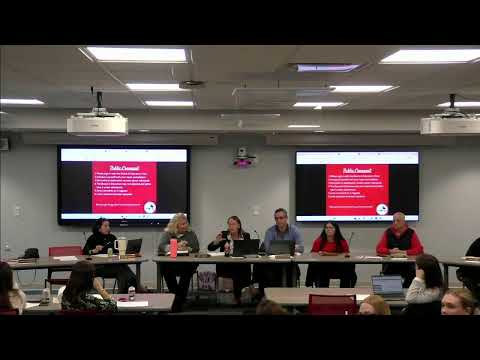
Louise Lance, the district’s newly introduced food service director, presented a series of operational and menu changes she said aim to improve student safety and increase meal participation.
Lance told the board she created an "ingredient book" for each cashier station so staff can quickly identify allergens when a student’s account flags an item. "I decided to make a book for each station, each cashier, and it's got all the ingredients in of each product that we sell," she said, describing the change as a response to gaps in how allergy information reached cafeteria staff.
She said the program stopped serving peanut butter-and-jelly sandwiches to reduce cross-contamination, while preserving classroom allergy tables for students who bring items from home. Lance said the district has been piloting DOD Fresh and buying produce from a local supplier, Capital Roots, to broaden students’ daily fruit and vegetable choices.
Lance described procurement and training steps intended to raise food quality and safety: moving some purchases to a new vendor (named in the transcript as "Rich Chicks") with more non‑gluten options; making kitchen staff SafeServe‑certified; holding CPR training; and doing team‑building and safety upgrades in the kitchen.
She said the district receives about $59,000 in product through federal/state food program distributions and is working with Cornell Cooperative Extension to pursue New York State procurement reimbursement (she cited a potential ~$220,000 in additional revenue if the district successfully implements the reimbursement program).
Participation metrics Lance provided show current average daily breakfast participation at about 35% and lunch at about 60%. She said the food service program is intended to be self‑funding and that, if it were not sustainable, the general fund would need to cover the deficit.
Lance invited the board to a May 14 tasting event with Cornell Cooperative Extension and a group listed in the transcript as "Brigade," which she said will feature scratch‑cooked samples including a butternut‑squash mac and cheese and a kale salad. She said the visit is intended to help introduce students to new menu items and to support procurement goals.
Board members responded with praise. Superintendent (S2) and others thanked Lance for the changes and encouraged families to try the school meals. One board member noted students voluntarily chose the district’s food service for a varsity banquet, which S2 said was "a fantastic" validation of the work.
The board did not take formal votes on the food‑service items during the presentation; the changes Lance described will proceed through normal procurement and implementation steps and be incorporated into future budget and program planning.