Lifetime Citizen Portal Access — AI Briefings, Alerts & Unlimited Follows
Commission hears drought metrics, SGMA reports and bills to watch including possible CEQA streamlining for recharge projects
Loading...
Summary
Staff reported 142 households receiving hauled water, nearly 1,600 households enrolled in the bottled‑water program (about 140 drought‑related), falling well‑permit numbers, and legislative staff highlighted bills affecting recharge projects, fees and small community penalties.
Commission staff provided a drought update and related program metrics and then the legislative subcommittee summarized bills the commission is tracking.
On the drought update, staff reported 142 households receiving hauled water in Tulare County and nearly 1,600 households enrolled in the Bottled Water Program, of which about 140 were drought‑related enrollments; there were no new hauled‑water installs in January. Staff also noted a downward trend in well permits (13 in January, 13 in February) and reported National Weather Service information that the state is no longer in drought conditions.
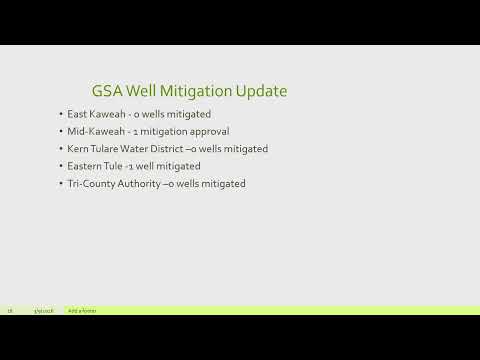
On SGMA implementation, staff reported that a small number of private wells have been mitigated through local GSAs: East Kaweah, Current‑Tillery and Tri‑County reported zero mitigations and Mid Kaweah and Eastern Tule each reported one mitigation funded by GSA programs. Staff cautioned other mitigation programs may exist beyond the GSA‑funded counts.
The legislative subcommittee said it reviewed around 200 pages of bills from the lobbyist and pulled five items to watch: AB 2132 (Macedo), described as an exemption or streamlining for groundwater recharge projects that could shorten CEQA-related steps; AB 2180, proposed language concerning how sewer and water fees are apportioned to parcels; SB 1081, which would allow small/low‑income communities to spend penalties on system improvements rather than pay fines; SB 1125, a drinking‑water needs assessment tied to affordability; and SB 1417, disaster preparedness requirements for water systems over 10,000 connections that may complicate emergency funding timing.
Commissioners and staff agreed to continue monitoring the bills and to bring any items back for deeper review as the legislative language develops.