Get Full Government Meeting Transcripts, Videos, & Alerts Forever!
Get email alerts on the Transportation topic
No spam. Unsubscribe anytime.
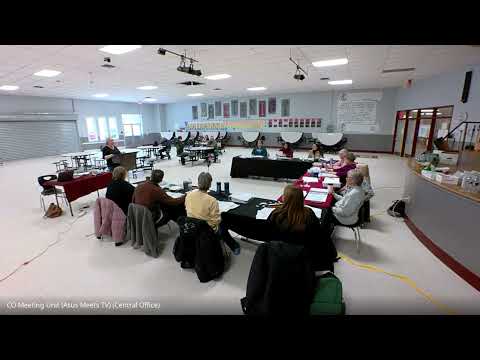
Transportation overhaul eyed: new radio system, vehicle replacements and driver recruitment on the table
Summary
Transportation staff asked the board to approve hardware and recurring costs for a new radio system, to replace aging buses and vans, and to back steps to recruit and retain drivers including a proposed assistant transportation director role and an anonymous driver survey.
At the transportation cost‑center presentation, Leanne Kamet outlined a package of investments and staffing proposals aimed at improving safety and operational reliability for RSU 60 buses and drivers.
Leanne told the board the district’s current radio system is “pretty much obsolete” and causes static and communication gaps for drivers; she said the district budget includes $31,320 for replacement hardware and an annual airtime fee (the presentation listed a recurring $19,800 as a contracted service). “The radio system would be 31,320,” she said. She added that she tested handhelds across long distances and that the new system improved range and clarity.
The transportation presentation also requests one large bus, one small bus and four vans to help with route coverage and driver shortages; staff explained that vans could be used for short runs and flexible coverage when drivers are scarce. Leanne noted a 20‑year snowblower and an older salt spreader need replacement; she provided line‑item costs for the radio system, the snowblower and a salt spreader during board questioning.
Board members pressed on safety options including whether seat belts for students could be installed and the additional monitoring or staffing that would add. Leanne said Maine state law does not require standard school buses to have lap belts and that adding them would raise costs and supervisory needs.
To address chronic staffing gaps, the board discussed changing some bus positions to full‑time and creating an assistant transportation director role (a shared or hybrid position was suggested). A board member proposed an anonymous survey of drivers to identify barriers to recruiting and retention; staff agreed to draft survey questions and coordinate with union stewards.
The board asked staff to return with a formal procurement plan and a clearer multi‑year replacement schedule and to itemize recurring operating costs associated with the new radio airtime and vehicle upkeep.