Get Full Government Meeting Transcripts, Videos, & Alerts Forever!
Get email alerts on the Temporary Structures topic
No spam. Unsubscribe anytime.
Vermillion County panel backs draft rules to allow temporary micro‑RV parks, limits sites to 9 to avoid campground regulations
Summary
The Vermillion County Area Plan Commission voted to forward a draft ordinance that would permit temporary micro‑RV parks with a recommended cap of nine sites to the county commissioners, after the health department warned that 10 or more sites trigger state campground rules and additional permitting requirements.
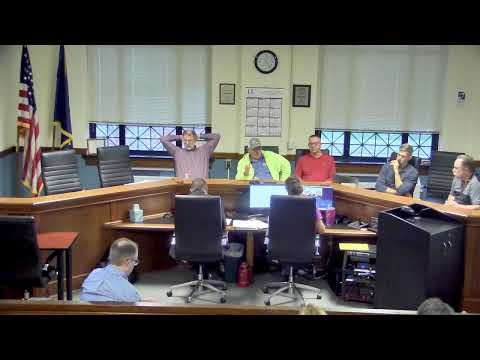
The Vermillion County Area Plan Commission voted on March 12 to forward a draft ordinance allowing temporary "micro" RV parks to the county commissioners, recommending a change to cap site density at nine units to avoid statewide campground regulations.
Health department official Dana Brown told the commission that state rules make a crucial distinction at 10 sites: "If sewer is available... they have to hook up" and "10 or more sites... falls into the definition of a campground under the Indiana State rule," which triggers additional sewage, water and electrical requirements. Brown also noted holding tanks carry a three‑day minimum capacity requirement and must include audible and visible alarms; the state can allow holding tanks up to 10,000 gallons but the state provides only minimum specifications to designers and engineers.
Commissioners said the draft is aimed at temporary, short‑term uses tied to construction or short projects. The draft would allow temporary sites in selected zoning districts (R‑1, R‑2, PR, I‑1 and I‑2 as drafted) but the panel suggested limiting where the use is permitted or making parks a special exception so neighbors and the Board of Zoning Appeals (BZA) can impose conditions. The draft also includes requirements for graveled site surfaces, potable water, electrical hookups, trash containment and quiet hours, and it would require annual renewal with enforcement tied to permit standing.
Panel members pressed for clarity on how a "piece of property" is defined for permitting (parcel vs. combined contiguous parcels) and whether multiple contiguous parcels under single ownership could be treated as one site. Brown and staff described the permitting pathways: two dwellings on one property can sometimes be handled on a residential permit, while clusters above that generally require commercial review and state oversight; cluster systems and commercial systems often require engineered drawings and additional fees.
Commission discussion highlighted estimated costs cited during the meeting: a state permit fee roughly around $200, a local application fee mentioned as $75, and a typical soil test cost cited at about $400. Commissioners also discussed abandonment standards for temporary septic or holding tanks (collapse and fill of lids, removal of electrical alarms) and enforcement via the BZA at renewal time.
After the public hearing produced no speakers, the commission voted to forward a favorable recommendation to the county commissioners with an edit changing the draft's maximum density from 10 to 9 sites to keep the use below the state's campground threshold. The motion to forward the recommendation carried on a voice vote (moved by Joe; seconded by Brandon), and the commission asked staff to bring clarified language on property definition and the interplay with health‑department rules to the next step.
The county commissioners will next review the planning commission's recommendation; if approved, applicants proposing temporary RV site clusters would follow the local special‑exception and state commercial review processes described by the health department.