Lifetime Citizen Portal Access — AI Briefings, Alerts & Unlimited Follows
Commissioner proposes five-year repeal of Knox County 'privilege' tax; colleagues urge caution
Loading...
Summary
Commissioner Jay proposed phasing out a county privilege tax over five years, calling it 'double taxation' and citing roughly $7.8 million in extra receipts this year; other commissioners warned of rising expenditures, bond payments in 2027 and potential impacts on road funding and recommended further budget review.
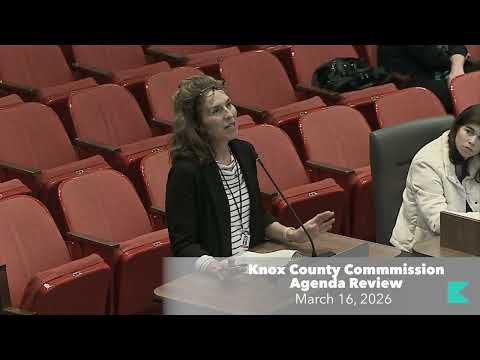
Commissioner Jay proposed phasing out a Knox County privilege tax over five years, saying the tax represents "double taxation" and that current receipts are well above projections.
Jay outlined a phased rollback that would begin in the next fiscal-year budget, saying the first year would represent "point 15%" and that county revenue is currently about $7.8 million above projections. He said the plan is intended to be fiscally responsible and could be paused or adjusted if county finances worsen.
The proposal prompted questions about timing and the potential effect on capital and road projects. Commissioner Hill urged caution, suggesting the commission wait until final budget numbers are in before committing to a rollback. Commissioner Frazier said even a modest shift could reduce paving capacity; he said the county’s paving budget is about $7.2 million annually and warned that Jay’s proposal would equate to a “24%” cut to that program as presented.
Jay responded that the ordinance is written to preserve current funding levels for services now covered by the general fund and that the change would move—not eliminate—funding from the privilege-tax bucket to the general fund, saying "this is not going to cut a penny out of engineering and public works." He also noted the commission routinely makes policy decisions that extend beyond any single member’s term.
Director Snowden described a separate item on the agenda related to a Liberty Tire Recycling expansion and said the county’s approval letter is required by the Jackson law before the application can proceed to the Tennessee Department of Environment and Conservation for technical review.
The commission did not vote on the repeal; members agreed the measure requires more fiscal review and discussion as part of the budget process. Jay said he would present the proposal formally to the body for its consideration during the budget cycle.
The commission adjourned the work session without taking votes and moved into the rules committee.