Get Full Government Meeting Transcripts, Videos, & Alerts Forever!
Get email alerts on the City Budget Fy2026 topic
No spam. Unsubscribe anytime.
Mayor Todd Gloria outlines FY2026 draft budget, warns of deeper cuts without new revenue
Summary
Mayor Todd Gloria presented a draft FY2026 budget that aims to close a structural deficit through a mix of new revenue, reserve waivers and $112 million in reductions while protecting public safety and homelessness programs; councilmembers and dozens of public speakers urged protecting libraries, parks and arts funding.
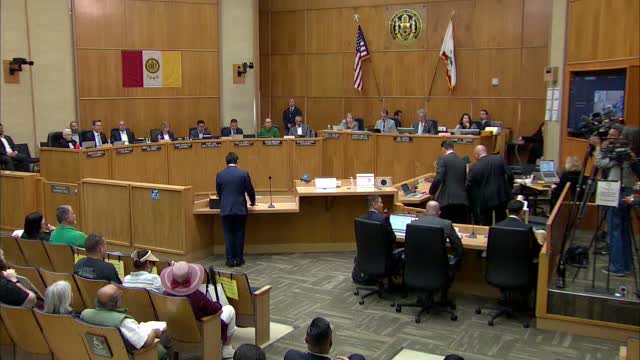
Mayor Todd Gloria presented the city's draft fiscal year 2026 budget to the San Diego City Council on April 21, saying the plan aims to reduce a structural deficit while preserving core services and protecting public safety, homelessness response, housing and street repair. The administration described the proposal as a first draft that will be refined in the May revision and through council review before adoption on June 10.
"This is a difficult budget year," Gloria said, noting inflation, international tariffs and a structural shortfall that began at about $258 million and has since grown. He said his administration slowed hiring, implemented a strategic hiring freeze and reorganized departments to cut 31 unclassified positions and save more than $5 million annually. The proposal would also shift refuse collection costs into a new solid waste enterprise fund and pursue additional revenue measures, including implementing a voter-approved trash collection fee and parking reforms.
Finance staff provided detail on the revenue and expenditure outlook. The city presented an estimated $6 billion overall budget for FY2026, with the general fund balancing through a combination of new revenues, reserve waivers and about $112 million in reductions. The administration highlighted increases in lodging (Measure C) and parking revenues and noted a decline in sales tax and certain franchise revenues. The draft allocates roughly $105.3 million for homelessness programs and proposes increases to both the police and fire-rescue budgets, primarily to cover negotiated salary increases and pension obligations.
Councilmembers pressed city leaders on several points during the council'member segment. Councilmember Sean Elo Rivera and others said they would resist across'the'board cuts that fall disproportionately on historically underresourced neighborhoods. Several elected officials asked the administration to prioritize preserving frontline services and to provide more granular analysis of proposed unclassified (management) position changes versus classified (frontline) cuts.
Public testimony was extensive. Arts and culture leaders, nonprofits and arts educators represented by Christine Martinez, Kim Phillips, David Bennett and others urged the council to restore arts funding and to avoid cuts to library hours and recreation programming, warning that reductions could force program and job losses. Parks and recreation and library advocates, along with the Municipal Employees Association, urged protecting assistant rec center directors and library hours, and warned that proposed reductions to park ambassadors and rec-center staffing would harm community safety and youth programs. Advocates for street and school safety pressed the council to fund Vision Zero and pedestrian safety investments identified as the city's "fatal 15" and the six most dangerous corridors.
Staff outlined the schedule for further review: the Independent Budget Analyst will release a review on April 29; budget review committee hearings are scheduled for the week of May 5; the May revision and related reports will be released May 14; and adoption is scheduled for June 10. Mayor Gloria and finance staff emphasized the draft nature of the presentation and said additional revenue and economic data could change the final recommended actions.
What's next: Councilmembers signaled active scrutiny in the weeks ahead. The administration will present additional details in the May revise, and council members said they will bring amendments during the budget review committee process. The city reiterated that the draft balances near-term needs while acknowledging further revenue and policy decisions will be necessary to avoid deeper cuts.