Get Full Government Meeting Transcripts, Videos, & Alerts Forever!
Get email alerts on the Collective Bargaining topic
No spam. Unsubscribe anytime.
IAFF Local 279 urges market correction to pay as talks continue with Cheyenne officials
Summary
Representatives of IAFF Local 279 pressed the City of Cheyenne on March 16 for a ‘fair market correction’ in firefighter pay, citing comparisons to Front Range departments and specialty-pay differences; city officials offered a combined 6% increase this year but said recurring revenues must be secured before larger ongoing raises.
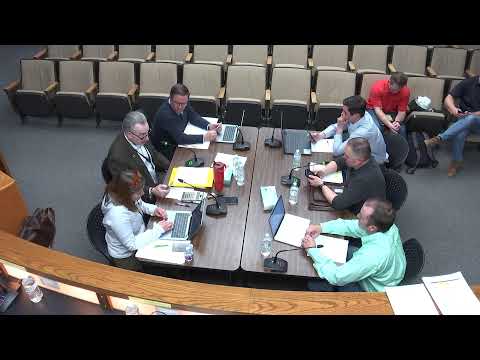
Cheyenne — Representatives of the Cheyenne Professional Firefighters, International Association of Firefighters Local 279 pressed city leaders at a special March 16 meeting for a “fair market correction” to wages and benefits as contract talks continue.
“A fair market correction to wages remain the top priority for our membership in these negotiations,” said Toms, president of IAFF Local 279, in an opening statement to the governing body. The union highlighted specialty pays, paramedic certification and regional labor markets — particularly Front Range Colorado departments — as the basis for its comparables analysis.
Vice President Jason Lindsay walked the council through the union’s compensation calculations and said pension-formula differences can materially change total-pay comparisons. “When we equate our wages out at $90,000 … the disparity [with some Colorado comparables] is 7 to 17%,” Lindsay said, and later summarized a broader gap he described as “22.6 to 42.3%” behind some nearby departments after the union’s adjustments.
Mayor Collins and council members questioned the union’s methodology, asking whether the union’s numbers accounted for cost-of-living, tax differences and overtime. “We’ve offered a 3% starting January 1. We’ve offered another 3% in this contract,” Mayor Collins said, describing the council’s position that the city is willing to pursue a combined 6% increase this year while continuing to negotiate other items the union raised.
The parties also disputed whether comparisons should be based on base salary alone or on total compensation. The union argued specialty pays (for paramedics, hazardous-materials response, technical rescue and other certifications) reflect substantial additional training and should be recognized; city leaders said including specialty pays and overtime in comparisons gives a fuller picture of total pay that, in many ranks, is comparable to peer departments.
Both sides presented recruitment and turnover data as evidence. The union said its internal list showed about 17 trained firefighters leaving over a multiyear span and asserted many left for higher-paying departments; the union also cited applicant pools in larger Front Range departments. Mayor Collins countered that city records showed 23 departures over 10 years and that only a small share appeared to have left primarily for salary, noting many departures were for family moves or promotions.
Union representatives cited BestPlaces.net as the source for some cost-of-living comparisons and presented estimated revenue figures tied to local data-center development — including an electricity franchise-fee estimate the union described as roughly $4,000,000 and a combined projected annual revenue increase of about $5,000,000 to $8,400,000 — as context for affordability. Mayor Collins pushed back on using projected and potentially one-time or ramping revenues to justify ongoing payroll increases, saying the city must identify recurring revenue sources before committing to higher permanent compensation.
No contract was finalized at the meeting. The council agreed to accept the union’s written proposal for further review and recessed briefly into executive session to continue bargaining. The governing body adjourned the special meeting and scheduled a follow-up session for the next evening at 6:00 p.m.
The negotiation remains ongoing; both sides said they would provide supporting spreadsheets and documentation for the figures discussed at the next meeting.