Get Full Government Meeting Transcripts, Videos, & Alerts Forever!
Get email alerts on the Animal Control topic
No spam. Unsubscribe anytime.
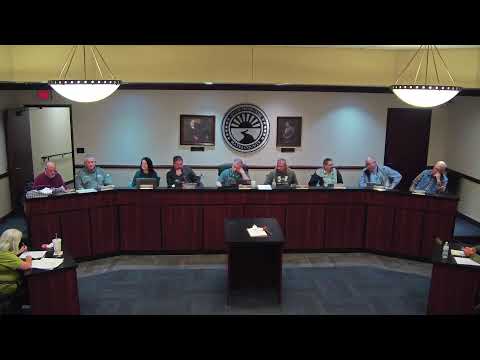
Residents and animal advocates debate trap–neuter–return as city policy
Summary
At a council meeting, Beth Campbell of Feral Fur Babies urged the council to adopt safe-harbor measures and update city code to allow humane trap–neuter–return (TNR) for community cats; resident biologist Corey Pendleton argued TNR is contested and highlighted risks to wildlife and disease. No ordinance change was voted on.
Beth Campbell, founder and director of Feral Fur Babies, told the City Council that trap–neuter–return, or TNR, is a humane, evidence-based way to reduce stray cat populations and long-term animal-control costs. "TNR is a humane and effective method for managing community cat populations," Campbell said, outlining how sterilization, vaccination and return stabilizes and gradually reduces colonies. She asked the council for two steps: a temporary waiver or safe harbor for caretakers participating in an upcoming TNR effort, and an update to the city code to formally recognize community cats and caretakers so those volunteers are not cited under the current owner definition.
The council heard a sharply different view from resident Corey Pendleton, who identified himself as a trained biologist. Pendleton said TNR's effectiveness is debated, particularly in rural towns, and raised concerns about impacts on native birds and small mammals and the spread of Toxoplasma gondii. "In the U.S. alone, outdoor cats kill 3 to 4,000,000,000 birds and tens of billions of small mammals every single year," he said, adding that some animal-welfare groups favor trapping and, when necessary, euthanasia to address overpopulation.
Campbell warned the council that the city code defines an "owner" as someone who harbors or keeps an animal for 10 days or longer, which could expose caretakers who feed or monitor community cats to citations. She said a safe-harbor policy for active TNR participants and a formal ordinance recognizing community cats would allow responsible colony management and reduce shelter intake and nuisance complaints.
Council members did not take formal action on changing code definitions or adopting a safe-harbor policy at the meeting. The public comment period reflected a split in the community between advocates for TNR and residents prioritizing wildlife protection; several council members asked staff to bring more information and possible ordinance language back for future consideration.