Get Full Government Meeting Transcripts, Videos, & Alerts Forever!
Get email alerts on the Consumer Protection topic
No spam. Unsubscribe anytime.
Council approves grocery pricing transparency ordinance as part of consent package
Summary
Following extensive public comment from seniors, advocates and grocers, San Diego’s City Council included a grocery pricing transparency ordinance in a consent package and approved it, with sponsors committing to technical fixes and a 90‑day implementation window before enforcement.
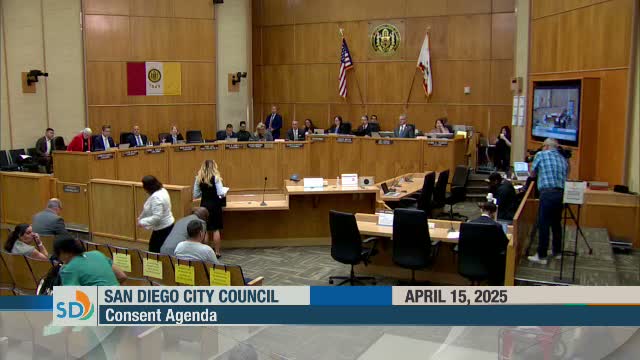
San Diego’s City Council on April 15 approved a consent package that included a grocery pricing transparency ordinance intended to ensure seniors and low‑income residents can access advertised grocery discounts even if those discounts are delivered digitally.
Councilmember Von Wilpert, who co‑authored the measure, said the goal is to close a digital divide. “We just want to make sure that senior citizens and low‑income individuals who don’t have cell phones can get the same discount as everybody else,” she said, adding that staff will work with grocers on implementation before any enforcement begins.
Supporters told the council that digital‑only coupons and loyalty programs can leave older adults behind. Alana Martinson of Serving Seniors said many older adults do not have access to smartphones and that printed notices or other equitable access are necessary. AARP volunteer Barry Berman said the policy helps vulnerable populations access discounts they need to afford food.
Retail and grocery trade groups urged the council to proceed carefully. Tim James, speaking for the San Diego grocery industry, argued the draft ordinance, as written, could be unworkable and expose stores to costly litigation; he said retailers need clear definitions and more time to comply. The San Diego Regional Chamber of Commerce and state retailers groups submitted formal letters urging additional stakeholder engagement.
Councilmembers said they expected to make technical adjustments before the ordinance takes effect. Von Wilpert and others noted a 90‑day implementation period was written into prior readings; staff and the city attorney clarified that the effective date will be 90 days after final passage and that the 30‑day referendum period runs concurrently, giving time to negotiate clarifications on enforcement and definitions.
The consent package, which included multiple appointments, grants and proclamations, passed by unanimous recorded vote. Sponsors and industry pledged to continue working on the ordinance to ensure it can be implemented without unintended consequences such as driving discounts outside city limits.
Next steps: council offices said they will pursue amendments and implementation guidance during the 90‑day window and coordinate with grocers, AARP and consumer advocates on clarifications for definitions, enforcement and signage requirements.