Get Full Government Meeting Transcripts, Videos, & Alerts Forever!
Get email alerts on the Economic Development topic
No spam. Unsubscribe anytime.
Developers pitch Cambridge Village to Collegedale, ask city help to fund infrastructure
Summary
Developers seeking to build Cambridge Village — anchored by an Elders Ace Hardware — asked Collegedale commissioners to help finance roughly $2 million (of an estimated $3.5 million) in infrastructure costs through a bond or purchase arrangement backed by future sales tax revenues; developers said they could backstop repayment and expect the project to generate significant tax revenue over 15 years.
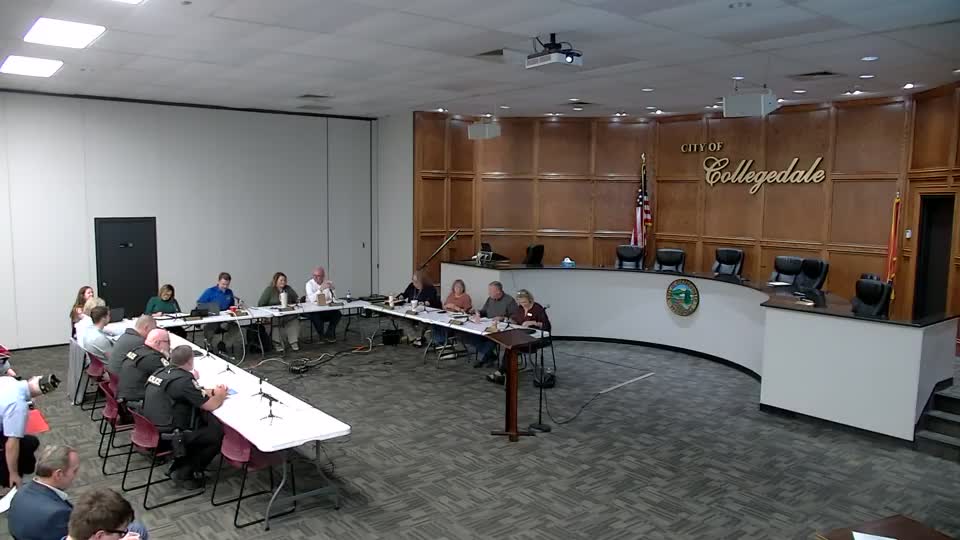
Developers behind the Cambridge Village project briefed Collegedale commissioners on Nov. 24 and requested the city’s help to bridge infrastructure costs required to bring an Ace Hardware anchor and other retail to a roughly 14‑acre site across from Cambridge Square.
A presenter for the ownership group said the project would ultimately include about 75,000 square feet of class‑A retail and commercial space and that Ace Hardware plans to relocate and expand into a roughly 24,000‑square‑foot store, which the presenter and Tom Glenn of Elders Ace projected would generate roughly $165,000 a year in local city tax receipts once open. Glenn said he expects the store to open in 2027 and estimated conservative sales of about $7.3 million in the first year at the new location.
Developers told the commission they need city assistance for roads, sewer, water, a possible signal at Lee Highway and other site work and estimated total infrastructure at about $3.5 million. They proposed a structure in which the city either issues a sales‑tax‑backed bond or purchases infrastructure from the developer after construction and is repaid from increased sales and property tax receipts; developers said they could serve as a backstop and that they anticipate repayment from incremental tax receipts. The team said they would seek partnerships with county and regional economic development leaders and would engage consultants to structure the financing.
Commissioners and staff discussed potential mechanisms (bond programs, purchase agreements, tax abatements and grants), regulatory steps (state comptroller and Department of Revenue approvals for certain structures) and next steps to refine the proposal. A staff member and a commissioner emphasized the need for legal review and a formal financing plan; commissioners expressed interest in proceeding with further study but did not commit city dollars at the workshop.
Developers framed the project as transforming a distressed property, creating jobs, increasing sales tax receipts and enabling the Samaritan Center to expand services. They asked staff to work with county economic development partners and return with a more detailed financing plan and legal pathway for the commission to consider.
No formal action was taken at the workshop; staff agreed to continue working with developers and county partners and to return with a proposal that includes clear financing options and required approvals.