Get Full Government Meeting Transcripts, Videos, & Alerts Forever!
Get email alerts on the Tax Increment Financing topic
No spam. Unsubscribe anytime.
Committee backs TID 16 Research Park West project plan amid concerns about scope and public input
Summary
The committee recommended approval of Tax Incremental District 16’s project plan (6–2), a 40‑acre mixed‑use district aimed at redeveloping the Sonesta Hotel and other parcels, projecting about $101.5 million in new taxable value and $34.2 million in expenses including $25.8 million in development incentives.
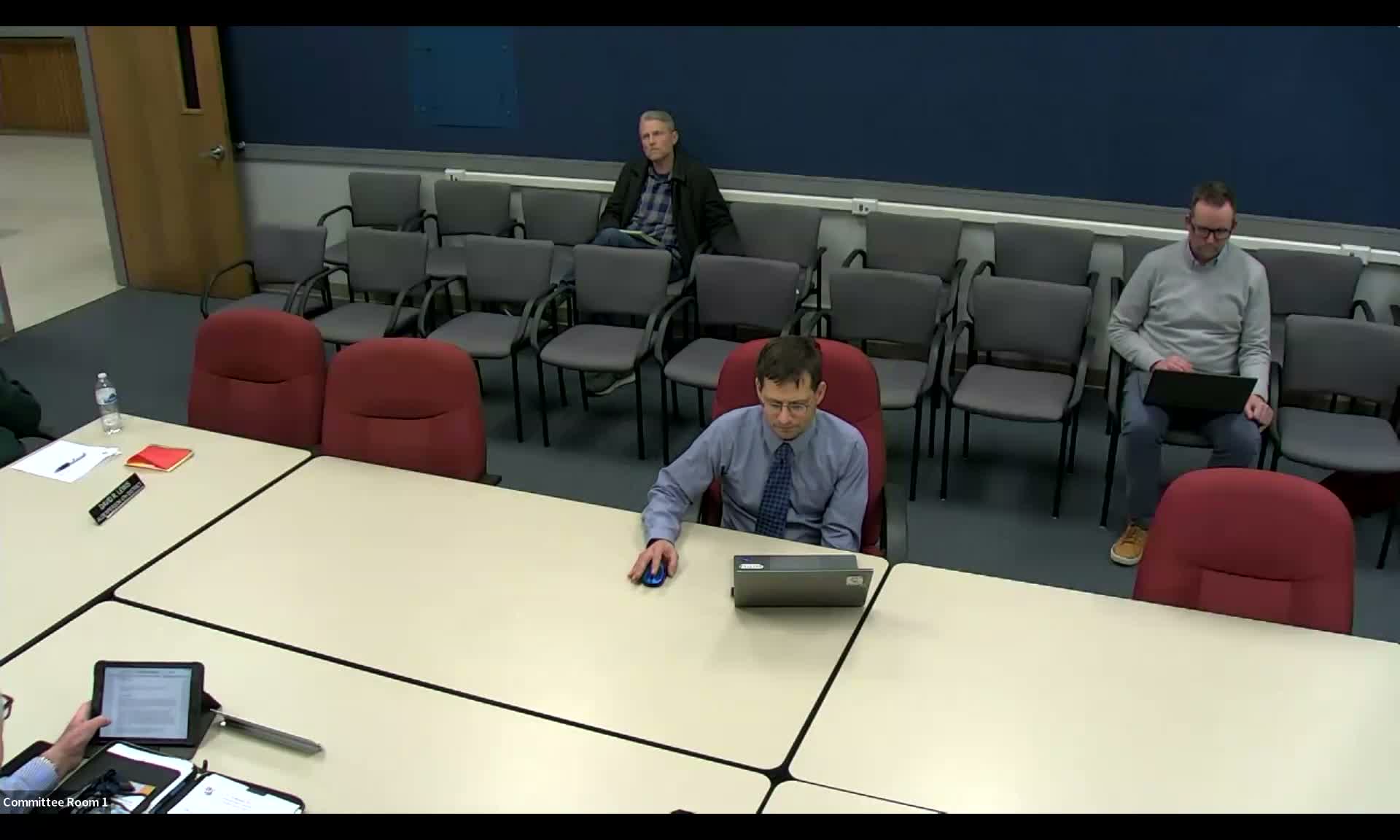
The Financial Affairs Committee on Jan. 20 recommended the adoption of the Tax Incremental District 16 (Research Park West) project plan by a 6–2 vote, advancing a proposal that staff says aims to catalyze redevelopment and address high office vacancy in the Milwaukee County Research Park area.
Consultant John Cameron of Ehlers summarized the plan as a 20‑year, mixed‑use TID covering roughly 40 acres along the western edge of the Research Park. "The district is primarily being created to pay the costs of development incentives as well as some infrastructure expenses with the primary project being the redevelopment of the Sonesta Hotel into the Wayfair Apartments," Cameron said. The project plan estimates about $101.5 million in new taxable value and identifies approximately $34.2 million in potential project expenses, including $25.8 million in pay‑as‑you‑go development incentives and roughly $4.5 million in infrastructure costs within a half‑mile of the district.
Supporters framed the plan as a necessary reinvestment to reduce office vacancies and maintain property values. Staff and several alders argued that portions of the Research Park require redesign to attract tenants and adapt to changing office markets.
Opponents and some committee members said the plan’s scope felt speculative and asked for more public input and clearer boundaries; two members voted against the recommendation. One alderperson raised concerns that a dominant property owner would receive outsized benefit and urged quicker tax‑roll impacts rather than a 20‑year buildout.
The motion to recommend approval was made by Alder Dolan and seconded by Alder Lewis. Committee members were told any individual term sheets or municipal revenue obligation agreements would still require committee and council approval before the city would commit funds.
What’s next: the project plan will move through the council and the joint review board process; staff said term sheets for specific projects would return for further committee review and public input.