Lifetime Citizen Portal Access — AI Briefings, Alerts & Unlimited Follows
Committee would let state receive lower judicial interest on judgments
Loading...
Summary
Senate Judiciary A advanced SB139 to align the interest paid on judgments against the state with the prevailing judicial interest rate when that rate falls below a fixed 6% set in 1985; the Attorney General’s office supported the change and the committee reported the bill favorably.
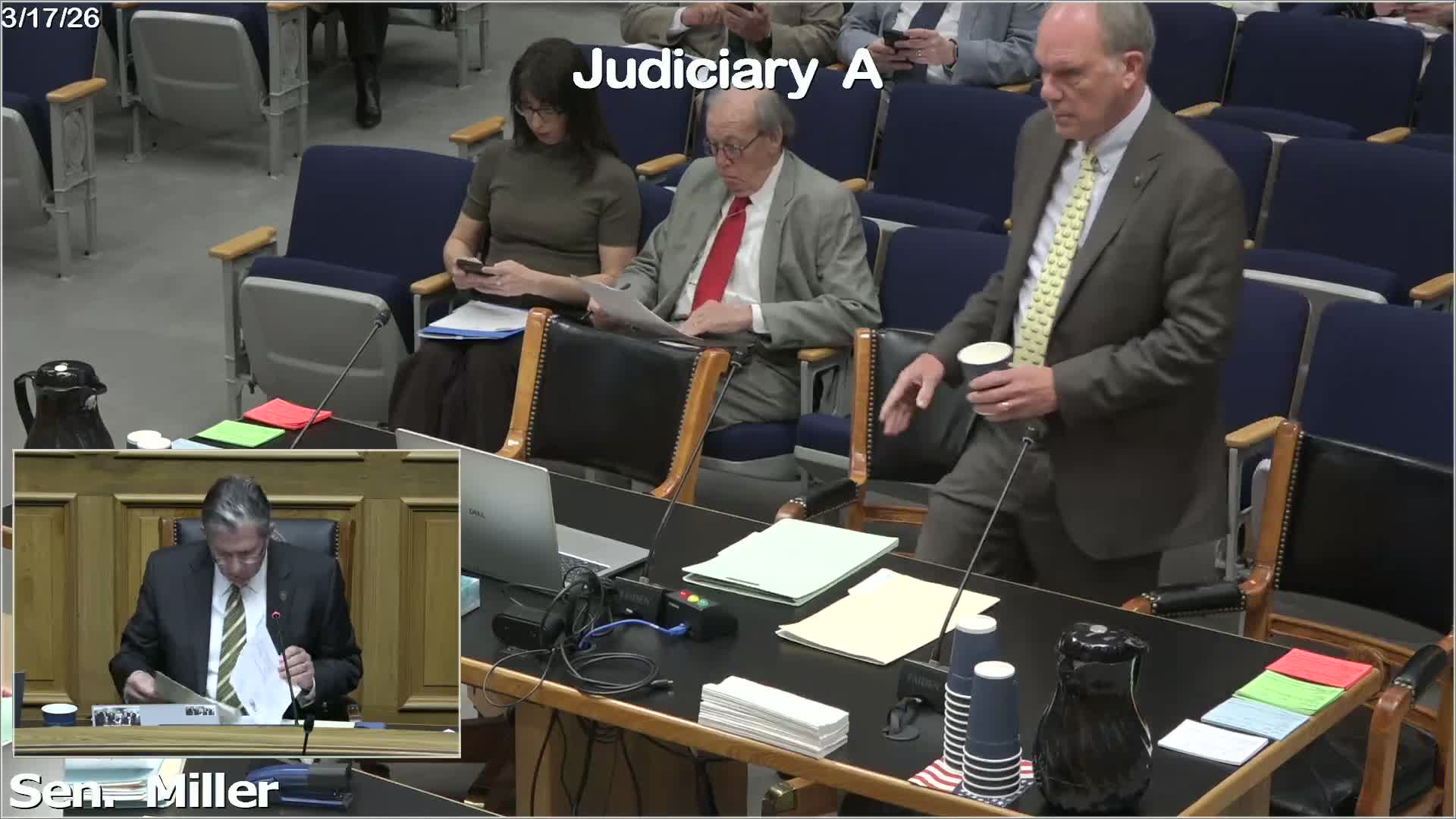
Senate Judiciary A reported SB139 favorably after the bill’s sponsor said the Attorney General’s Office requested the change to a statute that fixed post‑judgment interest against the state at 6%.
The sponsor told the committee the 1985 provision set a 6% rate and that the proposed amendment would let the state take advantage of the judicial interest rate when it is lower than 6%. "As many of you know, the interest rate for regular lawsuits fluctuates depending on the federal rate," the sponsor said. Taylor Simon of the Louisiana Attorney General’s Office told the committee, "It's presently set at 7.5%."
Proponents said the change prevents the state from paying a higher fixed rate than private defendants would face in ordinary litigation. Larry Freeman, chief deputy attorney general, attended the hearing to field technical questions. No amendments were offered and Senator Carter moved the bill to be reported favorably; the committee reported it without objection.
If enacted, the change would apply only to the period between the request for service on the state (or political subdivision) and the date of judgment; once a judgment is decreed the judicial interest rate would continue to govern. The committee did not hold a contested vote and took no additional directions.
The committee will forward the bill to the next legislative stage for further consideration.